
Root Canal Therapy in Wesley Chapel, FL
A painful tooth can make even simple things like eating, drinking, or sleeping difficult. If you’ve been dealing with a deep toothache, sensitivity to hot or cold, pain when biting, or swelling around a tooth, you may be wondering if you need a root canal.
At Agoka Dental, root canal therapy helps treat teeth when infection or inflammation has reached the dental pulp, the soft tissue inside the tooth. In many cases, root canal treatment can remove the source of the problem while allowing you to keep your natural tooth.
Free Consultation
Have questions? Contact us now for a free consultation and expert guidance for all your dental issues.
If you’re looking for a root canal dentist in Wesley Chapel, FL, the first step is finding out what’s causing your symptoms. Not every toothache needs a root canal, and guessing can delay the right treatment.
What Is Root Canal Therapy?
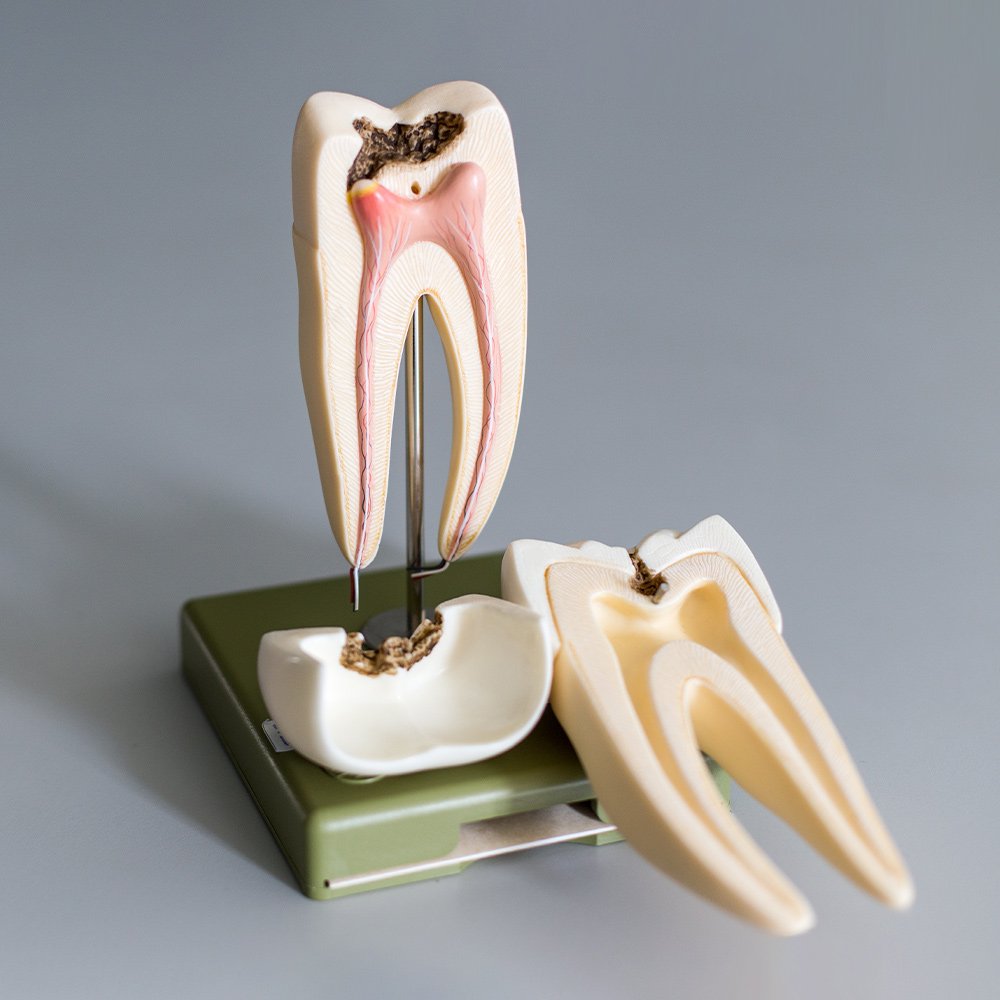
Root canal therapy, also called endodontic treatment, is a procedure used to treat an infected or badly inflamed dental pulp.
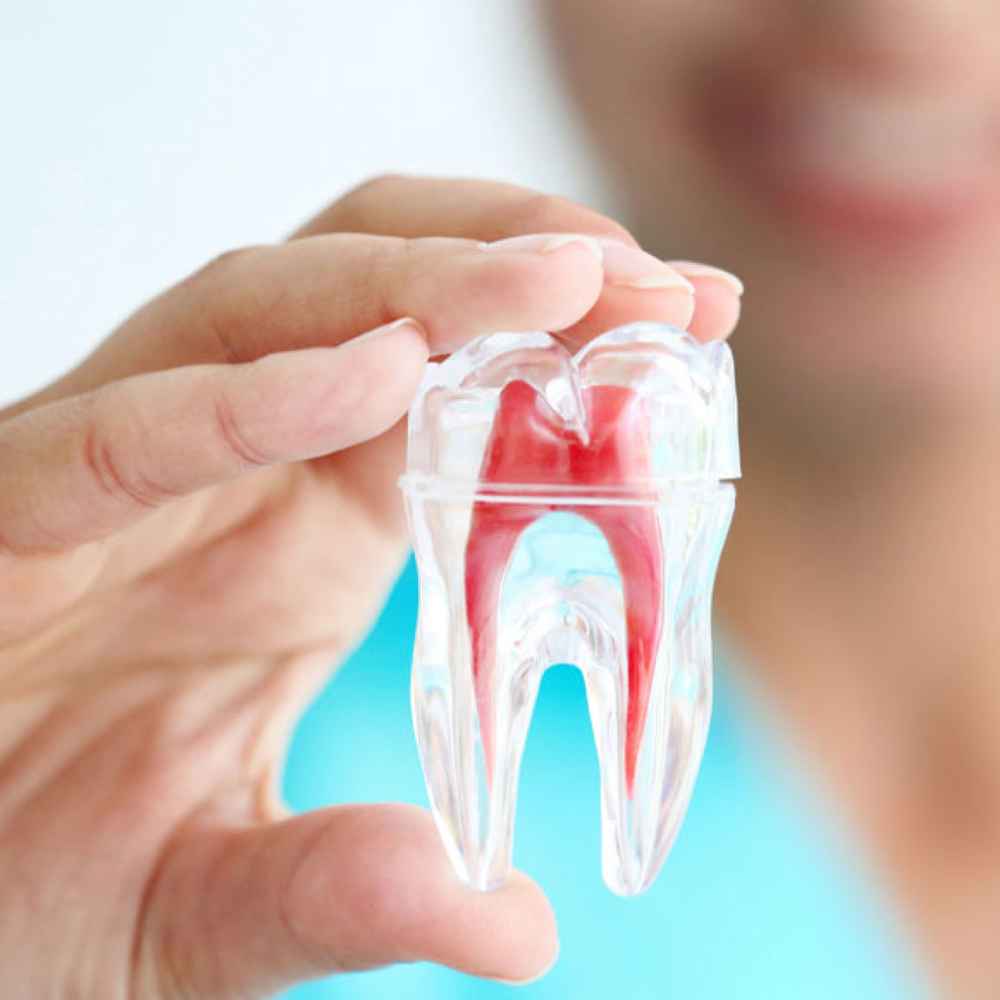
The pulp sits inside the center of your tooth. It contains nerves, blood vessels, and connective tissue. A deep cavity, crack, injury, or other damage can allow bacteria to reach this area. Once the pulp becomes severely inflamed or infected, the tooth may not heal on its own.
During root canal treatment, the affected pulp is removed. The inside of the tooth is cleaned and disinfected, then filled and sealed. The tooth can then be restored so you can continue using it.
The goal is simple: treat the infection or damaged pulp and preserve the natural tooth whenever possible.
Why Saving Your Natural Tooth Can Matter
Your natural teeth are designed to work together.
When a tooth is lost, neighboring teeth can shift into the open space. Depending on the location of the missing tooth, chewing and bite function may also be affected.
A successful root canal allows the treated tooth to remain in your mouth while you continue with normal dental care.
Think of root canal treatment as a tooth-saving procedure. The goal isn’t simply to make the pain disappear. It’s to address the underlying problem and preserve useful tooth structure when possible.
Root Canal Therapy FAQs
Does a root canal hurt?
The tooth and surrounding area are numbed with local anesthesia during treatment. You may experience some tenderness after the procedure, but the severe pain caused by an infected or inflamed tooth can often be reduced once the underlying problem is treated.
How do I know if I need a root canal?
Common warning signs include persistent tooth pain, lingering sensitivity to hot or cold, pain when biting, swelling, tooth discoloration, a deep cavity, or an abscess. However, symptoms alone can’t confirm that you need a root canal. A dental examination and appropriate imaging are needed for a proper diagnosis.
How long does root canal recovery take?
Many people experience some tenderness for a few days after treatment. Recovery varies depending on the tooth, the infection, and the treatment performed. Follow your dentist’s aftercare instructions and contact the office if pain or swelling becomes severe or continues to worsen.
Do I need a crown after a root canal?
Not every tooth requires the same restoration. A dental crown is often recommended when a tooth has lost significant structure or needs additional protection. Your dentist can assess the treated tooth and explain which restoration is appropriate.
Is a root canal better than having a tooth pulled?
If the tooth can be predictably restored, root canal treatment may allow you to keep your natural tooth. Extraction may be necessary when a tooth cannot be restored or has a poor prognosis. Your dentist can compare root canal treatment with extraction and replacement options such as a dental implant or bridge.
Can I wait if my tooth stops hurting?
It’s not always safe to assume the problem is gone. An infected tooth can sometimes stop hurting when the pulp dies, even though infection remains. If you’ve had significant tooth pain or other warning signs, it’s better to have the tooth examined rather than assuming it has healed.
When should I seek emergency root canal treatment?
Severe tooth pain, facial swelling, significant gum swelling, or an abscess can require prompt dental attention. If dental swelling causes difficulty breathing or swallowing, seek emergency medical care immediately. For less severe but persistent symptoms, contact a dental office as soon as possible for an evaluation.
Our Process at a Glance
Discovery & Baselines
During your initial visit, we capture 3D cone beam scans, review your medical history, assess bone quality, and create a digital treatment plan showing implant positioning and final restoration design. You’ll leave with a detailed cost breakdown and timeline specific to your case.
Implementation
On surgery day, we place your implant(s) using surgical guides for precise positioning, provide detailed post-operative care instructions, and schedule your follow-up appointments. Most patients return to normal activities within 2 to 3 days with minimal discomfort managed through prescribed medications.
Optimization & Reporting
We monitor healing at 2-week and 8-week intervals, confirming successful osseointegration before taking final impressions for your custom crown or bridge. Once your permanent restoration is placed, we provide a personalized maintenance schedule and remain available for any questions throughout the life of your implant.
Do You Need a Root Canal?
A root canal isn’t based on pain alone. Some infected teeth cause significant pain, while others may have few obvious symptoms.
A dental examination and appropriate imaging can help determine what’s happening beneath the surface.
You may need root canal treatment if you have:
- A severe or persistent toothache
- Pain when chewing or biting
- Sensitivity to hot or cold that lingers
- Swollen or tender gums near a tooth
- A dental abscess
- Tooth discoloration
- A deep cavity
- A cracked or fractured tooth
- A tooth that has experienced trauma
- Inflammation or infection of the dental pulp
- Pulp necrosis, meaning the pulp tissue has died
Sometimes a tooth can hurt for reasons that don’t require endodontic treatment. That’s why proper diagnosis matters.
Common Signs You May Have an Infected Tooth
Your symptoms can provide useful clues, but they don’t tell the whole story.
Persistent Tooth Pain
A toothache that continues or gets worse deserves attention. Pain can come from decay, inflammation, a cracked tooth, an infection, or other dental problems.
Sensitivity to Hot or Cold
Brief sensitivity doesn’t automatically mean you need a root canal. However, intense sensitivity that lingers after the hot or cold food or drink is gone can be a sign that the pulp is seriously inflamed.
Pain When Biting
Pain when chewing or biting may indicate inflammation around the root of a tooth. It can also occur with a cracked tooth or other dental problems.
Swelling or Tenderness
Swelling around a tooth can occur when infection has spread beyond the pulp. A dental abscess may also cause a bump on the gums, facial swelling, or significant tenderness.
Tooth Discoloration
A tooth that becomes noticeably darker can sometimes indicate damage to the pulp.
Little or No Pain
Here’s something people often miss: an infected tooth doesn’t always hurt.
If the nerve inside the tooth has died, pain may decrease even though infection remains. That’s one reason regular dental exams can catch problems before they become more serious.
How Root Canal Treatment Works
If your dentist determines that root canal therapy is appropriate, you’ll first have an examination and diagnosis.
Depending on your symptoms, this may include:
- An oral examination
- Digital dental X-rays or other dental imaging
- Tooth sensitivity testing
- Percussion testing
- Evaluation of the gums and surrounding tissues
- Assessment of existing fillings, crowns, cracks, or decay
Once the affected tooth is identified, the treatment can begin.
1. The Tooth Is Numbed
Local anesthesia is used to numb the area around the tooth. The goal is to keep you comfortable during treatment.
2. The Tooth Is Isolated
The tooth is isolated from the rest of the mouth. A dental dam may be used to keep the treatment area clean and dry.
3. The Damaged Pulp Is Removed
A small opening provides access to the inside of the tooth. The inflamed or infected pulp is removed from the pulp chamber and root canals.
4. The Root Canals Are Cleaned
The root canal system is carefully cleaned and disinfected. Dental files and irrigation materials may be used to remove infected tissue and reduce bacteria inside the tooth.
5. The Canals Are Filled and Sealed
After cleaning, the canals are filled with a material such as gutta-percha and sealed with root canal sealer. This helps close the space and reduce the chance of bacteria getting back inside.
6. The Tooth Is Restored
A temporary filling may be placed initially. Depending on the condition and location of the tooth, a permanent filling, dental composite, or dental crown may be recommended.
A crown can be especially important for teeth that have lost substantial structure because of decay, cracks, or the root canal procedure itself.
Root Canal vs. Tooth Extraction
When a tooth is badly infected, some people immediately think extraction is the easier option.
Sometimes extraction is necessary. But when a tooth can be predictably saved, preserving the natural tooth may offer important advantages.
Root canal treatment can help you keep your own tooth rather than replacing it with a dental implant, bridge, or other restoration.
With an extraction, you may later need to consider:
- Dental implants
- Dental bridges
- Partial dentures
- Bone preservation
- Additional restorative treatment
- Changes to chewing function
That doesn’t mean a root canal is always better. A tooth that’s severely fractured, has insufficient remaining structure, or cannot be restored may need to be removed.
The right choice depends on the tooth’s condition, your oral health, and the long-term prognosis.
What Happens After a Root Canal?
Root canal recovery is usually manageable, but the treated area may feel tender for a few days.
You may notice:
- Mild soreness
- Tenderness when biting
- Sensitivity around the treated tooth
- Some irritation around the gum
Follow the instructions provided after your procedure. Continue brushing and flossing as directed, while taking care around the treated area if it feels tender.
If a temporary filling or temporary restoration was placed, take care not to put unnecessary pressure on that tooth until your permanent restoration is completed.
Don’t Put Off the Final Restoration
This part is easy to overlook.
A tooth that has received root canal therapy may still need a permanent restoration, often a dental crown depending on the tooth and how much structure remains.
The root canal treats the inside of the tooth. The restoration helps protect the tooth afterward.
If your dentist recommends a crown after root canal therapy, completing that next step can be an important part of protecting your investment in the tooth.
When Tooth Pain Becomes a Dental Emergency
Don’t wait for a routine appointment if you’re experiencing signs that could indicate a serious dental infection.
Seek prompt dental attention for symptoms such as:
- Facial swelling
- Significant swelling around the gums
- Severe or worsening tooth pain
- A dental abscess
- Fever or feeling generally unwell along with dental symptoms
- Difficulty opening your mouth
- Trouble swallowing or breathing
A dental infection can progress, so severe symptoms should be evaluated promptly.
If swelling affects your ability to breathe or swallow, seek emergency medical care.
Root Canal Therapy for Different Dental Problems
Root canal treatment can be recommended for several different reasons.
Deep Tooth Decay
A cavity that reaches the pulp can introduce bacteria into the inner part of the tooth. If the pulp becomes irreversibly inflamed or infected, root canal treatment may be needed.
Cracked or Broken Teeth
A crack can provide a pathway for bacteria to reach the pulp. Whether a cracked tooth can be saved depends on the location and extent of the damage.
Dental Trauma
A tooth damaged by an accident or injury may develop pulp problems even if the damage isn’t immediately obvious.
Dental Abscess
An abscess can develop when bacteria infect the inside of a tooth. Root canal treatment may be used to remove the infected pulp and treat the source of the infection while preserving the tooth.
Root Canal Treatment in Wesley Chapel, FL
Agoka Dental provides dental care for patients in Wesley Chapel, Florida, with a focus on preventive and restorative oral health.
For people searching for a root canal dentist in Wesley Chapel, location matters. A painful tooth can make a long trip even more difficult, especially when you’re already dealing with discomfort.
Agoka Dental serves the Wesley Chapel community and can be a local option for patients seeking evaluation and treatment for tooth pain, dental infection, damaged teeth, and other restorative dental concerns.
Depending on the patients and service area of the practice, local searches may include communities around Wesley Chapel and the broader Pasco County and North Tampa Bay area.
If you’re near areas such as Seven Oaks, Wiregrass, Meadow Pointe, Lexington Oaks, Estancia at Wiregrass, Epperson, Union Park, or Wesley Chapel Town Center, you may be searching for dental care close to home.
The important thing is to use only the locations actually served by the practice when choosing where to seek care.
Why Patients Shouldn’t Ignore a Toothache
It’s tempting to wait and see if tooth pain goes away.
Sometimes it does.
But if the underlying cause is an infected or severely inflamed pulp, waiting doesn’t fix the problem. Infections can progress, and a tooth that might have been treatable earlier may become harder to save later.
Pain medication may temporarily reduce discomfort, but it doesn’t remove infected tissue from inside a tooth.
That’s why a dental examination is worthwhile when pain persists, returns repeatedly, or comes with swelling or sensitivity.
A More Comfortable Way to Think About Root Canals
The phrase “root canal” has a bad reputation.
Many people expect the procedure to be extremely painful. In reality, modern dental techniques are designed to numb the treatment area and allow the dentist to work on the affected tooth while keeping you comfortable.
The bigger problem for many patients is actually the infection or inflammation that led them to the dental office in the first place.
If you’re nervous, tell your dental team. Knowing what will happen can make the appointment feel much less intimidating.
You can also ask questions before treatment begins:
- What is causing my tooth pain?
- Do I definitely need a root canal?
- Can the tooth be saved?
- What happens if I don’t treat it?
- Will I need a crown afterward?
- How long should recovery take?
- What should I eat after treatment?
Good dental care starts with understanding your options.
Your Wesley Chapel Root Canal Dentist
You don’t have to keep putting up with a tooth that hurts every time you eat or drink.
At Agoka Dental, the first step is determining what’s actually wrong. A dental examination, appropriate imaging, and evaluation of your symptoms can help identify whether root canal therapy is appropriate or whether another treatment makes more sense.
When a tooth can be saved, root canal treatment may provide a way to address infection or damaged pulp while keeping your natural tooth.
If you’re searching for root canal treatment near me in Wesley Chapel, FL, contact Agoka Dental to schedule an evaluation. Whether you’re dealing with persistent tooth pain, sensitivity, a cracked tooth, or signs of a dental infection, getting the problem checked is the best way to know what comes next.
Schedule Root Canal Treatment in Wesley Chapel, FL
Tooth pain rarely gets easier by ignoring it. If you’re experiencing persistent pain, sensitivity, swelling, or another sign of a damaged or infected tooth, Agoka Dental can evaluate the problem and discuss your treatment options.
Contact Agoka Dental to schedule a dental examination and find out whether root canal therapy can help save your natural tooth.
Patient Testimonials
Real Stories from Real Tampa Patients



Make an Appointment
Ready to take the next step toward a healthier, more beautiful smile? Fill out the form below and one of our team members will contact you to confirm your visit. We’re here to make your experience easy and stress-free.
OR CALL US NOW
(813) 879-9000
Prefer to speak with someone directly? We’re happy to help!
Let’s get you scheduled — your smile deserves it.