
Root Canal Therapy in Tampa, FL
Tooth pain can make it hard to eat, sleep, work, or simply get through the day. If a tooth has become infected or the pulp inside it is badly inflamed, root canal therapy may be the best way to stop the problem and keep your natural tooth.
At Agoka Dental, we provide root canal treatment as part of our general and restorative dental care in Tampa, FL. Our goal is straightforward: identify what’s causing your pain, explain your treatment choices clearly, and help you protect your natural tooth whenever it can be saved.
Free Consultation
Have questions? Contact us now for a free consultation and expert guidance for all your dental issues.
Agoka Dental has proudly served the Tampa community for 30 years and welcomes new patients. Our office is located at 3306 West Kennedy Blvd in Tampa, making us a convenient choice for patients in South Tampa and surrounding Tampa neighborhoods.
If you’re dealing with a toothache, lingering sensitivity, swelling, or pain when you bite, don’t assume it will go away on its own. A dental examination can determine whether the problem is decay, an infection, a cracked tooth, or something else.
What Is Root Canal Therapy?
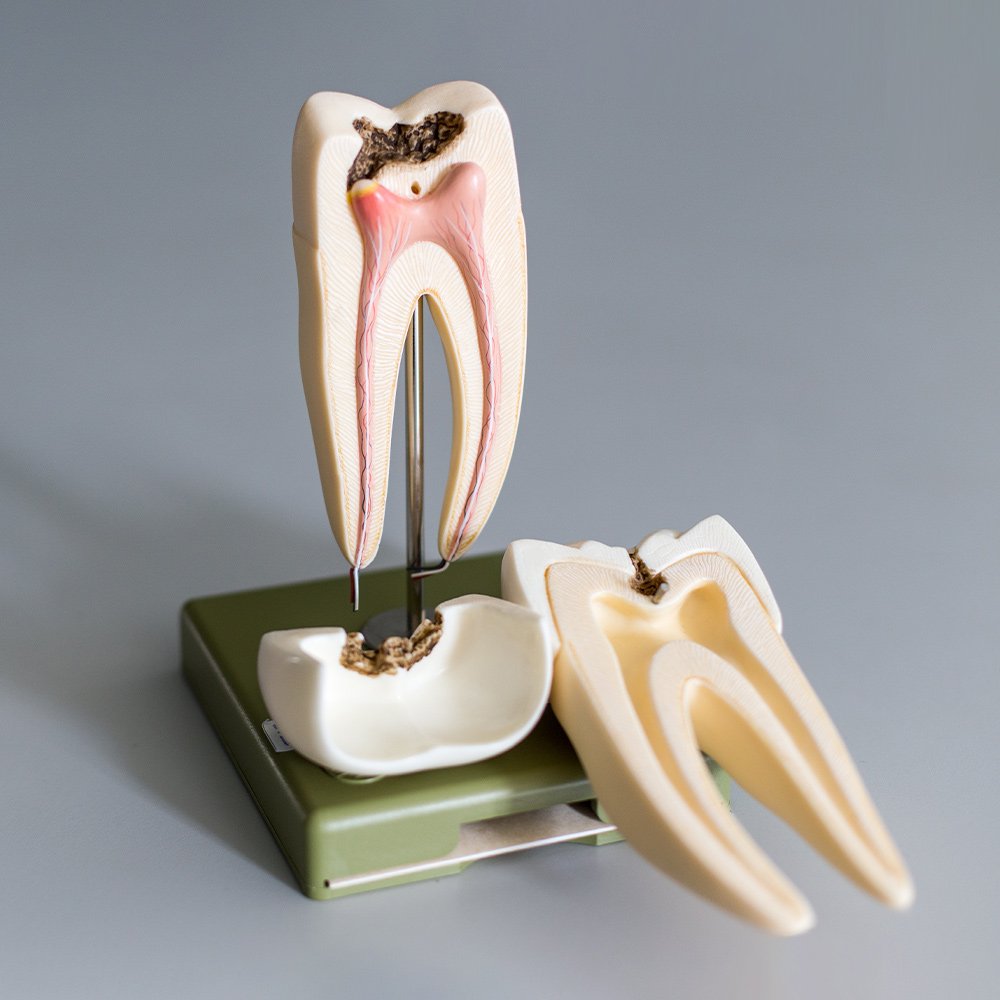
Root canal therapy is a tooth-saving treatment used when the soft tissue inside a tooth, called the dental pulp, becomes infected or seriously inflamed.
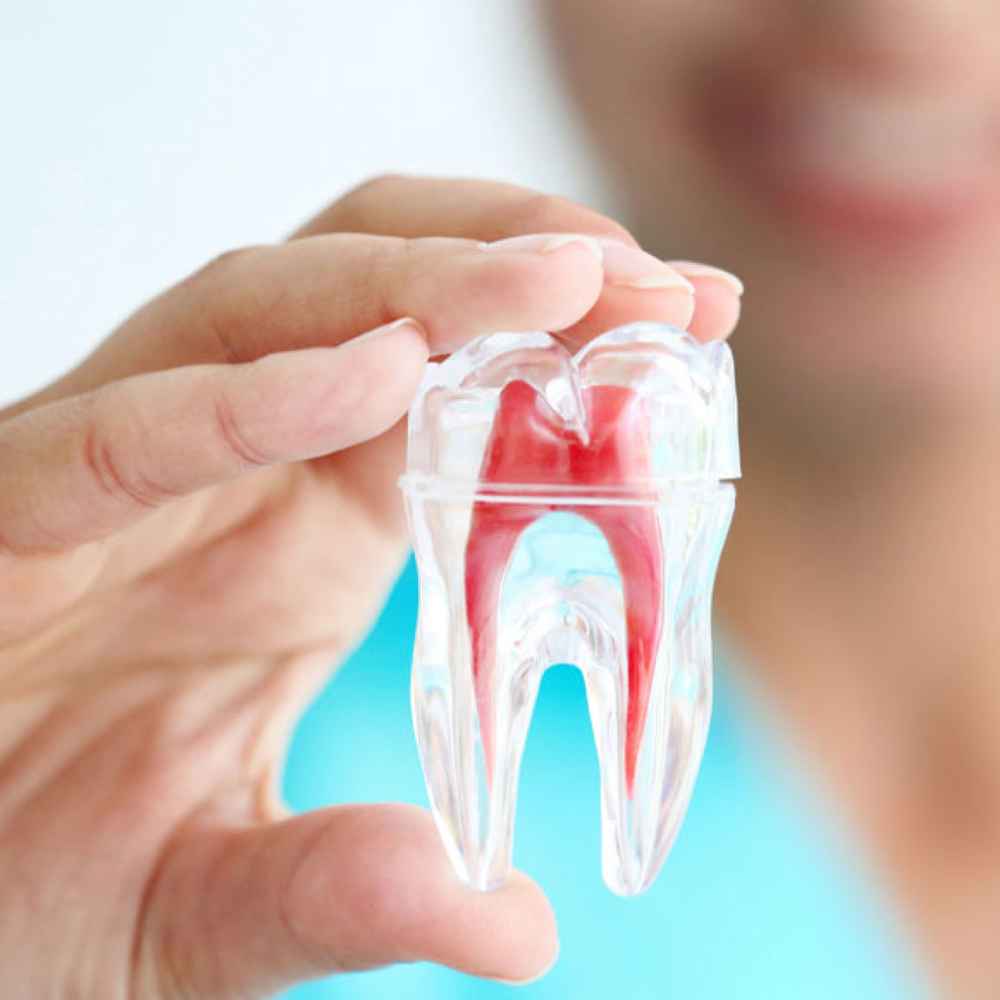
The pulp contains nerves and blood vessels. It’s located inside the pulp chamber and extends down through the root canals. When deep decay, a crack, trauma, or repeated dental work allows bacteria to reach this area, the result can be significant pain and infection.
During root canal treatment, the dentist removes the damaged or infected pulp, cleans and disinfects the inside of the tooth, fills the root canals, and seals the tooth. The tooth can then be restored so you can return to normal chewing and daily activities.
A root canal doesn’t mean the tooth is being removed. Quite the opposite. The purpose is usually to save the natural tooth instead of extracting it. The American Association of Endodontists describes root canal treatment as a way to remove infection, prevent reinfection, and preserve the natural tooth.
Why Might You Need a Root Canal?
A tooth doesn’t always look badly damaged from the outside when the pulp is infected. That’s one reason dental pain shouldn’t be ignored.
Common causes include:
- Deep tooth decay
- A large or untreated cavity
- Cracked or fractured teeth
- Trauma to the tooth
- Previous dental procedures
- A damaged filling or restoration
- Bacteria reaching the pulp
- Infection around the root of a tooth
- An abscess
Agoka Dental notes that root canals may become necessary when decay and bacteria progress into the pulp. Because the pulp contains nerves, infection can cause considerable pain.
Sometimes the symptoms are obvious. Other times, the infection may develop with surprisingly little discomfort. That’s why an examination matters.
Frequently Asked Questions About Root Canal Therapy
How do I know if I need a root canal?
Persistent tooth pain, pain when chewing, lingering hot or cold sensitivity, swelling, an abscess, or a damaged tooth can be warning signs. However, these symptoms can have other causes too. A dental examination and appropriate X-rays can help determine whether root canal therapy is necessary.
Is a root canal better than an extraction?
If the tooth can be successfully restored, saving the natural tooth with root canal therapy may help you avoid losing it. Extraction may be appropriate when a tooth is too damaged or cannot be predictably restored. Your dentist can explain the pros and cons of both options for your specific tooth.
How long does root canal treatment take?
Treatment time varies depending on the tooth and the complexity of the infection. Some cases can be completed relatively quickly, while more complicated teeth may require additional appointments. Your dentist can give you a better estimate after examining the tooth.
Will I need a crown after a root canal?
Not every root canal-treated tooth requires the same restoration. A crown may be recommended when the tooth has lost substantial structure and needs additional protection. The decision depends on the tooth, its condition, and how much healthy structure remains.

Can an infected tooth heal without a root canal?
An infected dental pulp generally doesn’t recover simply because the pain decreases. If bacteria have reached the pulp and the tooth requires root canal treatment, delaying care can allow the infection to progress. A dentist should evaluate persistent or recurring symptoms.
What should I do if my tooth hurts but I don't know whether it's a root canal?
Don’t try to diagnose it yourself. Contact a Tampa dentist for an examination. Tooth pain can come from decay, a cracked tooth, gum problems, sensitivity, an infection, or other causes. Getting the source identified is the first step toward choosing the right treatment.
What happens if I delay root canal treatment?
Delaying treatment can allow an infection to worsen. The tooth may develop an abscess, more surrounding tissue may become involved, and the tooth may eventually become harder or impossible to save. If you’re experiencing persistent pain, swelling, or sensitivity, it’s better to have the tooth evaluated sooner rather than later.
Our Process at a Glance
Discovery & Baselines
During your initial visit, we capture 3D cone beam scans, review your medical history, assess bone quality, and create a digital treatment plan showing implant positioning and final restoration design. You’ll leave with a detailed cost breakdown and timeline specific to your case.
Implementation
On surgery day, we place your implant(s) using surgical guides for precise positioning, provide detailed post-operative care instructions, and schedule your follow-up appointments. Most patients return to normal activities within 2 to 3 days with minimal discomfort managed through prescribed medications.
Optimization & Reporting
We monitor healing at 2-week and 8-week intervals, confirming successful osseointegration before taking final impressions for your custom crown or bridge. Once your permanent restoration is placed, we provide a personalized maintenance schedule and remain available for any questions throughout the life of your implant.
Signs You May Need Root Canal Treatment
Wondering whether your toothache could be something more serious?
Watch for symptoms such as:
- Persistent or severe toothache
- Pain when biting or chewing
- Lingering sensitivity to hot or cold
- Tooth sensitivity that doesn’t quickly fade
- Swollen or tender gums
- Swelling around the tooth
- A pimple or abscess on the gums
- Bad taste in your mouth
- Bad breath associated with a tooth problem
- A darkening or discolored tooth
- Pain that comes and goes
- Tenderness around the root
- A cracked or injured tooth
These symptoms don’t automatically mean you need a root canal. Tooth pain can have several causes. A dental examination and appropriate imaging help determine what’s actually happening.
Here’s the part many people miss: when pain suddenly disappears, that doesn’t always mean the tooth has healed. In some cases, the nerve inside an infected tooth can stop functioning. The infection may still be present.
How Root Canal Therapy Works
If you need root canal treatment at Agoka Dental, your care begins with an evaluation rather than jumping straight into a procedure.
1. Examination and Diagnosis
Your dentist will examine the affected tooth and ask about your symptoms. Depending on your situation, dental X-rays or other appropriate imaging may be used to look for decay, infection, changes around the tooth root, or other problems.
The goal is to understand the source of your symptoms before recommending treatment.
2. Local Anesthesia
If root canal therapy is recommended, local anesthesia is used to numb the treatment area.
Many people worry that a root canal will be extremely painful. Modern dental anesthesia and techniques are designed to keep you comfortable during treatment. The infection itself is often responsible for much of the pain that brought you into the office.
3. Accessing the Tooth
A small opening is made in the tooth to reach the infected or inflamed pulp.
The dentist then works inside the pulp chamber and root canals.
4. Removing the Infected Pulp
The damaged pulp tissue is removed from the tooth.
This addresses the source of infection inside the tooth rather than simply treating the pain from the outside.
5. Cleaning and Disinfecting the Canals
The root canals are carefully cleaned and disinfected. The canals are shaped so they can be properly filled and sealed.
This step is important because bacteria and infected tissue need to be removed from the internal spaces of the tooth.
6. Filling and Sealing
Once the canals have been cleaned, they are filled with a material commonly known as gutta-percha and sealed.
The purpose is to close the internal space and help prevent bacteria from getting back inside.
7. Restoring the Tooth
After root canal treatment, the tooth may need a permanent restoration such as a filling or dental crown, depending on how much tooth structure remains and which tooth was treated.
Agoka Dental offers porcelain crowns as part of its restorative dentistry services. Crowns can be used when a tooth needs more protection than a filling can provide.
Your dentist will explain what type of restoration is appropriate for your tooth.
Does a Root Canal Hurt?
This is probably the biggest question people have.
The short answer is that modern root canal treatment is performed with local anesthesia to numb the tooth and surrounding area. You may feel pressure during treatment, but you shouldn’t have to simply “tough it out” through severe pain.
It’s also worth separating two things: the discomfort caused by an infected tooth and the treatment used to address that infection.
A badly infected tooth can hurt when you chew, react strongly to temperature, or throb throughout the day or night. Treating the source of that problem can provide significant relief.
After treatment, it’s normal for the area to feel tender for a short period. Your dentist will give you specific instructions based on your tooth and treatment.
If you’re anxious about dental treatment, tell the Agoka Dental team before your procedure. Knowing what concerns you have gives your dental team a chance to address them.
Root Canal vs. Tooth Extraction
If a tooth is badly infected, you may wonder why you shouldn’t simply have it removed.
Sometimes extraction is necessary. But if the tooth can be predictably saved, preserving your natural tooth has important advantages.
A root canal allows you to keep the tooth in place. Extraction removes the tooth and leaves a space that may eventually need to be replaced with a dental implant, bridge, or denture.
Keeping your natural tooth can also help maintain your normal bite and chewing function.
That doesn’t mean a root canal is always the right choice. A tooth that’s too damaged to restore may need to be extracted. Your dentist can explain the condition of the tooth and discuss the available options.
The right decision depends on factors such as the amount of remaining tooth structure, the location of the tooth, the condition of the surrounding tissues, and your overall oral health.
What Happens After a Root Canal?
Your tooth may feel different for a few days following treatment. Mild tenderness can occur, especially when biting.
Follow the instructions provided by your dentist and avoid putting unnecessary stress on the treated tooth until it has been properly restored.
The final restoration matters.
A tooth that has received root canal treatment may have already lost a significant amount of healthy structure from decay, cracks, previous fillings, or the treatment itself. Depending on the tooth, a dental crown may be recommended to provide additional protection.
Don’t put off the final restoration simply because the tooth feels better. Feeling better means the immediate problem has improved. It doesn’t mean the tooth no longer needs protection.
Can a Root Canal Save Your Natural Tooth?
In many cases, yes.
That’s the main reason root canal therapy exists.
Instead of removing an infected tooth, the dentist removes the infected pulp, cleans the internal canals, seals the tooth, and restores it.
Keeping your natural tooth can help you maintain normal chewing and avoid the additional treatment that may be required after an extraction.
Still, not every tooth can be saved. A severe fracture, insufficient remaining tooth structure, or other problems may make extraction the better option.
A proper examination is the only way to know which path makes sense for you.
Don’t Ignore an Infected Tooth
Dental infections don’t always stay limited to the original tooth.
An untreated infection can progress into surrounding tissues and may lead to an abscess. Swelling, worsening pain, fever, or facial swelling can indicate that you need prompt dental attention.
If you have significant swelling, severe pain, difficulty swallowing, difficulty breathing, or swelling that is spreading into your face or neck, seek urgent medical attention.
For less severe but persistent tooth pain, contact a dentist promptly rather than waiting for the problem to become harder to treat.
Root Canal Treatment in Tampa, FL
Agoka Dental provides general and restorative dental care for patients throughout Tampa and nearby communities.
Our office is at 3306 West Kennedy Blvd, Tampa, FL 33609. Current office hours listed by Agoka Dental are Monday through Friday from 7:00 a.m. to 5:00 p.m., with Saturday appointments available by appointment.
Patients looking for a root canal dentist in Tampa may come from neighborhoods and communities including:
- South Tampa
- West Tampa
- Hyde Park
- Bayshore
- Davis Islands
- Palma Ceia
- Beach Park
- Westshore
- Channel District
- Channelside
- Tampa Heights
- Seminole Heights
- Carrollwood
- Westchase
- Tampa Palms
- New Tampa
You don’t need to diagnose the problem yourself before calling. If you’re unsure whether your tooth needs a root canal, start with an examination.
Why Choose Agoka Dental for Root Canal Therapy?
Choosing a dentist for root canal treatment isn’t just about finding someone who performs the procedure. You want a practice where you can ask questions, understand your choices, and receive care as part of a larger plan for your oral health.
Agoka Dental has several qualities that matter to Tampa families:
30 Years Serving the Tampa Community
Agoka Dental says it has proudly served its community for 30 years. That’s a meaningful history for a local dental practice and reflects long-term involvement in Tampa dental care.
Root Canal Treatment Under General Dental Care
Root canal therapy is part of Agoka Dental’s general dentistry services, alongside exams, cleanings, fillings, extractions, crowns, and deep cleanings.
That means your root canal doesn’t have to be viewed as an isolated procedure. Your dentist can also consider the condition of your other teeth, gums, bite, and overall oral health.
A Practice That Welcomes New Patients
Agoka Dental currently welcomes new patients and provides appointment options through its Tampa office.
Family Dental Care in Tampa
Agoka Dental provides a range of dental services for families, from preventive visits to restorative treatment. If a root canal is needed, your care can be considered alongside other dental needs rather than treated as a one-off problem.
What Does Root Canal Treatment Cost in Tampa?
The cost of root canal therapy varies from one patient to another.
Several factors can affect the total cost, including:
- Which tooth needs treatment
- How complex the root canals are
- The extent of infection or damage
- Whether additional treatment is necessary
- Whether a dental crown is needed
- Your dental insurance coverage
- Your individual treatment plan
It’s difficult to give a responsible price without examining the tooth.
If you’re concerned about cost, ask about the expected treatment and restoration before beginning care. Understanding the full plan can help you avoid surprises later.
Get Your Tooth Pain Checked in Tampa
A painful tooth can take over your day. You don’t have to guess what’s causing it.
Agoka Dental provides root canal therapy as part of its general and restorative dental care in Tampa, FL. The practice has served the Tampa community for 30 years and welcomes new patients.
If you’re dealing with persistent tooth pain, sensitivity, swelling, pain when chewing, or a damaged tooth, schedule an examination so you can find out what’s happening and discuss your options.
Patient Testimonials
Real Stories from Real Tampa Patients



Make an Appointment
Ready to take the next step toward a healthier, more beautiful smile? Fill out the form below and one of our team members will contact you to confirm your visit. We’re here to make your experience easy and stress-free.
OR CALL US NOW
(813) 879-9000
Prefer to speak with someone directly? We’re happy to help!
Let’s get you scheduled — your smile deserves it.