
Root Canal Therapy in St. Petersburg, FL
Tooth pain can make it hard to eat, sleep, work, or even concentrate. If a tooth hurts when you bite down, reacts strongly to hot or cold, or has started swelling around the gum, you may be dealing with an infection inside the tooth.
At Agoka Dental, we provide dental care for patients who need answers and a clear path forward. Root canal therapy can often remove the source of infection while preserving your natural tooth.
Free Consultation
Have questions? Contact us now for a free consultation and expert guidance for all your dental issues.
If you’re looking for root canal treatment in St. Petersburg, FL, the first step is a proper dental examination. Your dentist can evaluate your symptoms, examine the tooth, and use dental X-rays when needed to determine what’s causing the problem. Not every toothache needs a root canal, but an infected or badly inflamed pulp may require treatment before the condition gets worse.
What Is Root Canal Therapy?
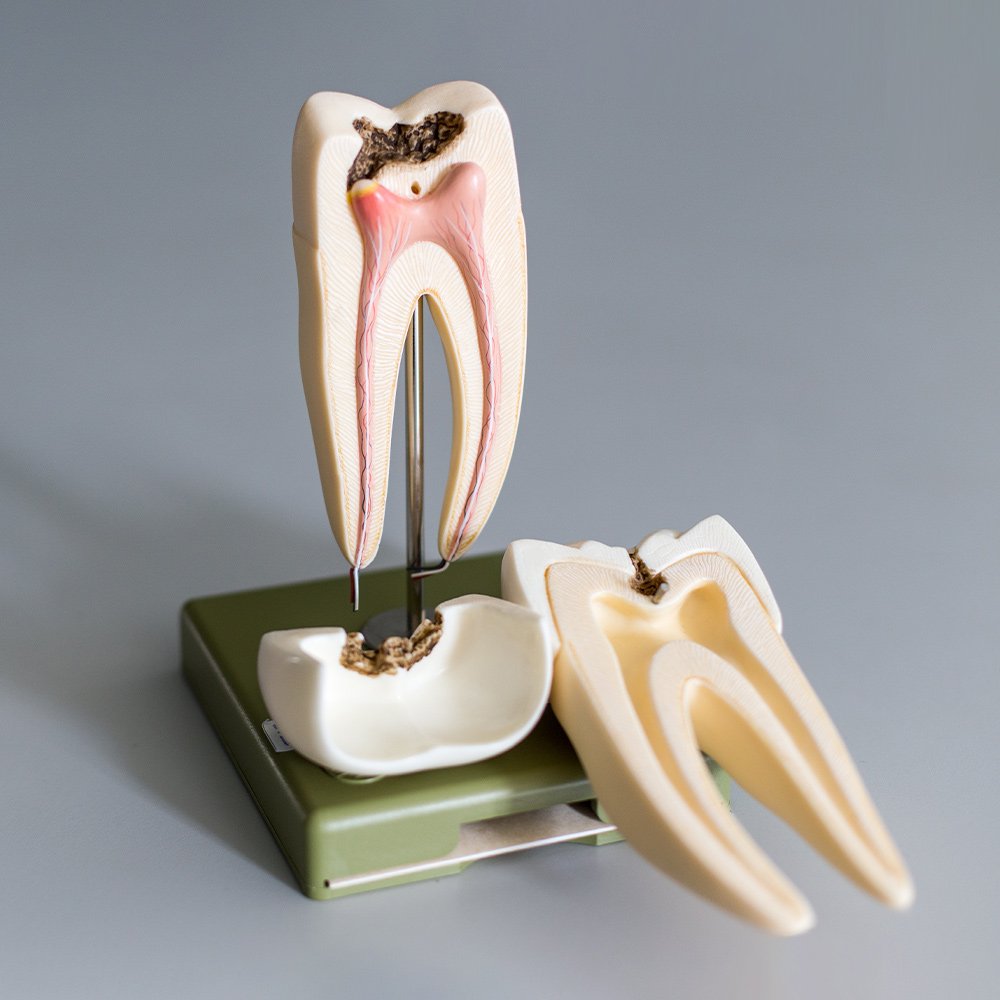
Root canal therapy is a dental procedure used to treat a tooth with infected, inflamed, or damaged pulp.
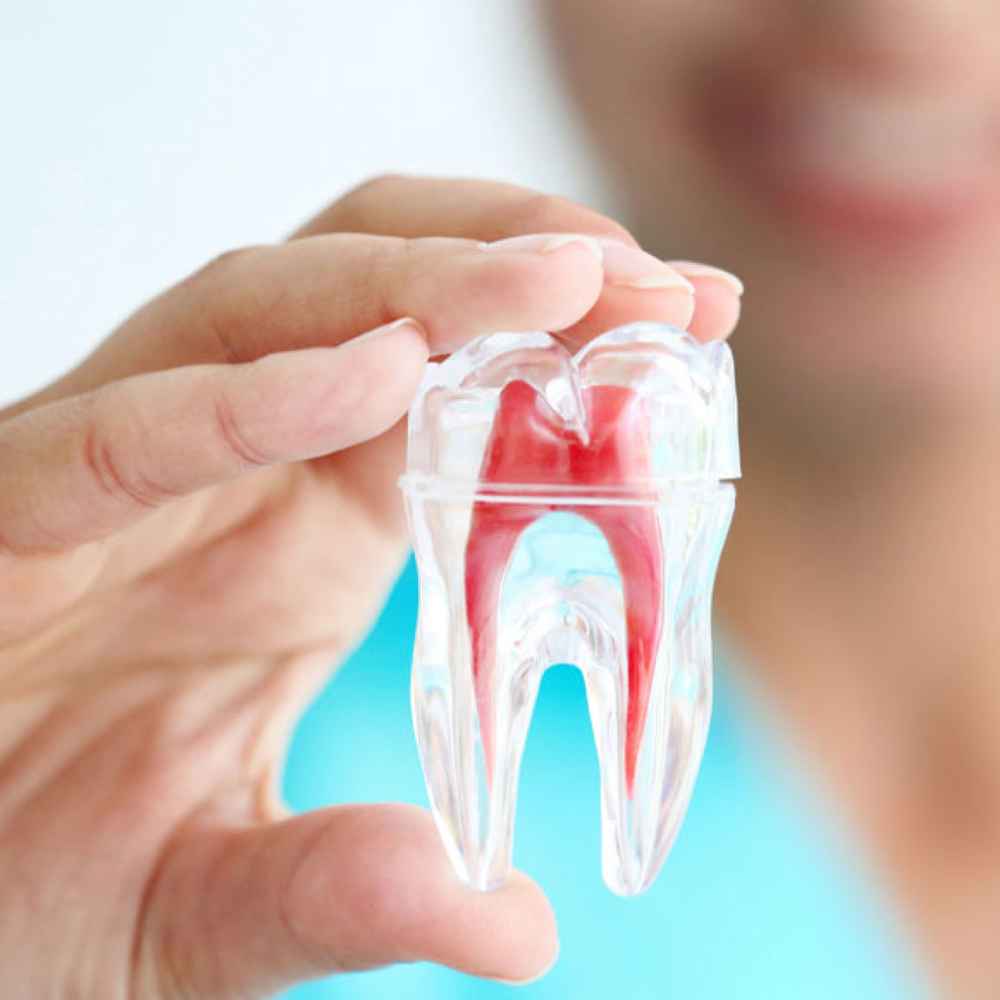
Inside every tooth is a space called the pulp chamber. It contains nerves, blood vessels, and connective tissue. Deep decay, cracks, repeated dental work, or an injury can allow bacteria to reach this area. Once the pulp becomes severely inflamed or infected, the tooth may not be able to heal on its own.
During a root canal procedure, the dentist accesses the inside of the tooth, removes the infected or damaged pulp, cleans and disinfects the root canals, and then fills and seals the space.
The goal isn’t to remove the tooth. It’s usually the opposite.
The goal of root canal treatment is to save the natural tooth whenever that tooth can be predictably restored.
After the root canal, the tooth may need a permanent restoration such as a dental crown. The right restoration depends on the tooth, how much structure remains, and your overall treatment plan.
Is a Root Canal Painful?
This is probably the biggest question people have.
The idea of a root canal has a bad reputation, but modern dental treatment is designed to control discomfort. Local anesthesia helps numb the area during treatment.
You may have some soreness or tenderness after the procedure. Your dentist can give you specific recovery instructions based on your treatment.
Here’s the important part: an infected tooth can be painful too. Delaying treatment because you’re worried about the procedure may allow the infection or damage to progress.
If dental anxiety is keeping you from getting care, tell the team before treatment begins. Knowing what worries you can help the dental team explain each step and make the experience easier.
Frequently Asked Questions About Root Canal Therapy
How do I know if I need a root canal?
Persistent tooth pain, prolonged hot or cold sensitivity, pain when biting, swelling, a dental abscess, deep decay, or a cracked tooth can be signs of a problem involving the pulp. However, symptoms alone can’t confirm that you need a root canal. A dentist needs to examine the tooth and may use dental X-rays or other tests to make a diagnosis.
Does a root canal hurt?
The tooth is numbed with local anesthesia during treatment. You may feel pressure or movement, but you shouldn’t expect the sharp pain associated with an untreated infected tooth. Some tenderness after treatment is possible. If you’re anxious about dental treatment, tell your dental team before the procedure so they can discuss ways to make you more comfortable.
How long does a root canal take?
Treatment time varies depending on the tooth, the number and shape of its canals, the severity of the infection, and other factors. Some root canals can be completed relatively quickly, while more complex cases may require additional appointments. Your dentist can give you a better estimate after examining the tooth.
Will I need a crown after a root canal?
Possibly. Many root canal-treated teeth, especially back teeth, need a crown or another strong permanent restoration to protect the remaining tooth structure. The right restoration depends on the tooth and how much healthy structure remains. Your dentist will discuss this with you before completing your treatment plan.
Can I avoid a root canal with antibiotics?
Antibiotics don’t remove infected pulp from inside a tooth. In some situations, they may be prescribed to help manage a spreading infection or other clinical concern, but they don’t replace dental treatment when the tooth itself requires root canal therapy. Your dentist can determine the appropriate treatment after an examination.
What happens if I don't get a root canal?
An untreated infected tooth can continue to deteriorate and may develop an abscess, swelling, bone damage, or increasing pain. In some cases, the tooth may eventually become impossible to restore and require extraction. If your dentist recommends a root canal, ask what could happen if treatment is delayed.
Can a root canal save my natural tooth?
Often, yes. The purpose of root canal therapy is to remove infected or damaged pulp while keeping the remaining tooth. Whether your tooth can be saved depends on factors such as the amount of healthy tooth structure, the condition of the roots, cracks, bone support, and whether the tooth can be properly restored.
Our Process at a Glance
Discovery & Baselines
During your initial visit, we capture 3D cone beam scans, review your medical history, assess bone quality, and create a digital treatment plan showing implant positioning and final restoration design. You’ll leave with a detailed cost breakdown and timeline specific to your case.
Implementation
On surgery day, we place your implant(s) using surgical guides for precise positioning, provide detailed post-operative care instructions, and schedule your follow-up appointments. Most patients return to normal activities within 2 to 3 days with minimal discomfort managed through prescribed medications.
Optimization & Reporting
We monitor healing at 2-week and 8-week intervals, confirming successful osseointegration before taking final impressions for your custom crown or bridge. Once your permanent restoration is placed, we provide a personalized maintenance schedule and remain available for any questions throughout the life of your implant.
Do You Need a Root Canal?
A tooth doesn’t always make the diagnosis obvious. Some infected teeth cause intense pain. Others cause very little discomfort until the infection has progressed.
Common signs that deserve a dental evaluation include:
- Persistent toothache
- Severe or throbbing tooth pain
- Pain when chewing or biting
- Sensitivity to hot or cold that lingers
- Swelling around the tooth or gum
- A recurring bump or pimple on the gum
- Tooth discoloration
- A cracked or chipped tooth
- Deep tooth decay
- Tenderness around the tooth
- Pain that wakes you during the night
- Facial swelling
- A history of trauma to the tooth
Sound familiar?
Don’t assume that pain will simply disappear because it becomes less intense. In some cases, symptoms can change as the nerve inside the tooth becomes severely damaged or dies. The underlying infection may still require treatment.
A dental examination and appropriate imaging can help determine what’s happening below the surface.
What Causes a Tooth Infection?
Several problems can allow bacteria to reach the pulp.
Deep Tooth Decay
A small cavity can become a much bigger problem if it isn’t treated. As decay moves deeper into the tooth, it can eventually reach the pulp.
Early treatment may allow a tooth to be restored with a dental filling. Once the pulp becomes infected or severely inflamed, a root canal may be needed to save the tooth.
Cracked or Broken Teeth
A crack can give bacteria a path into the inner portion of a tooth. Cracks aren’t always easy to see, especially when they extend below the gum line.
If you have pain when biting or releasing your bite, especially around a cracked tooth, a dental evaluation is a good idea.
Dental Trauma
A blow to the mouth can damage the pulp even when the tooth doesn’t look badly broken. Sports injuries, falls, accidents, and other forms of dental trauma can affect the health of a tooth over time.
Repeated Dental Procedures
A tooth that has received multiple restorations may become more vulnerable to pulp inflammation or other problems. Your dentist can assess whether the tooth can still be restored and whether root canal therapy is appropriate.
How Root Canal Treatment Works
The exact treatment plan depends on the tooth and your diagnosis. In general, root canal therapy involves several steps.
1. Examination and Diagnosis
Your dentist starts by listening to your symptoms and examining the affected tooth.
This may include:
- Oral examination
- Tooth sensitivity evaluation
- Pulp vitality testing
- Dental X-rays
- Digital radiography
- Evaluation of the surrounding gum and bone
- Assessment of cracks, decay, or previous restorations
This step matters because tooth pain can come from several different sources. A proper diagnosis helps avoid treating the wrong problem.
2. Local Anesthesia
Local anesthesia is used to numb the treatment area. Your dentist will explain what to expect and work with you to keep you comfortable during the procedure.
If you’re nervous about dental treatment, say so. That’s useful information for your dental team.
3. Accessing the Tooth
A small access opening is made in the tooth so the dentist can reach the pulp chamber and root canals.
Dental isolation may be used during treatment to keep the working area clean and controlled.
4. Removing the Infected Pulp
The damaged or infected pulp is removed from the pulp chamber and root canals.
This is the part many people imagine when they hear “root canal.” In reality, the procedure is designed to remove the source of the infection while preserving the remaining tooth structure.
5. Cleaning and Disinfecting the Canals
The root canals are carefully cleaned and shaped. Irrigation and disinfection help reduce bacteria and debris inside the canal system.
Endodontic files may be used to clean and shape the canals before the filling material is placed.
6. Filling and Sealing the Canals
Once the canals have been cleaned, they are filled with a material such as gutta-percha and sealed.
The purpose is to close the cleaned canal space and reduce the opportunity for bacteria to get back inside.
7. Restoring the Tooth
A tooth that has received root canal therapy may need a permanent restoration.
For many back teeth, a dental crown may be recommended because these teeth take significant chewing pressure. Other teeth may require a different type of restoration depending on how much healthy tooth structure remains.
Your dentist will explain what your tooth needs rather than automatically recommending the same restoration for every patient.
What Happens After a Root Canal?
Your tooth may feel different for a few days after treatment. Mild tenderness can occur as the tissues around the tooth recover.
Follow your dentist’s recovery instructions and avoid putting unnecessary pressure on the treated tooth until your permanent restoration is in place if your dentist advises you to do so.
You should also maintain good oral hygiene. Continue brushing and flossing as directed, and keep your follow-up appointment.
A root canal removes infected pulp, but it doesn’t make the tooth immune to future decay. The restored tooth still needs regular dental care.
Why Saving Your Natural Tooth Matters
When a tooth can be successfully treated and restored, keeping it can have important benefits.
Your natural tooth helps you chew normally and maintains the existing relationship between neighboring teeth. Removing a tooth creates a space that may eventually need to be replaced with a bridge, implant, or denture.
Extraction isn’t automatically the wrong choice. Some teeth are too damaged to restore. But when a tooth can be predictably saved, root canal treatment may provide a way to keep it.
That decision should be based on the condition of the tooth, the amount of healthy structure remaining, your oral health, and your dentist’s clinical findings.
Root Canal vs. Tooth Extraction
If a tooth is infected, you may wonder why you shouldn’t simply have it removed.
Extraction removes the immediate problem tooth, but it also creates a missing-tooth space.
Replacing a missing tooth can involve additional treatment and expense. Depending on your situation, replacement options may include a dental implant, bridge, or removable prosthesis.
Root canal treatment takes a different approach. It treats the inside of the tooth and attempts to preserve the natural tooth.
Your dentist can explain the advantages and limitations of both options if extraction is being considered.
Root Canal Therapy for Dental Emergencies
Severe tooth pain shouldn’t be ignored.
If you’re experiencing intense pain, facial or gum swelling, a dental abscess, or significant discomfort after a cracked or injured tooth, seek dental care promptly.
Emergency dental concerns can include:
- Severe toothache
- Tooth infection
- Dental abscess
- Facial swelling
- Pain after dental trauma
- Broken or cracked tooth
- Significant sensitivity
- Pain that makes it difficult to eat or sleep
Antibiotics may sometimes be part of infection management, but they don’t replace treatment of the infected tooth when root canal therapy is needed. Your dentist can determine what care is appropriate after examining you.
If swelling is spreading toward your eye or neck, or you’re having trouble breathing or swallowing, seek urgent medical attention.
Root Canal Therapy in St. Petersburg, Florida
Agoka Dental serves patients seeking dental care in St. Petersburg, FL and the surrounding Tampa Bay area.
Patients may come from neighborhoods and communities throughout St. Petersburg, including Downtown St. Petersburg, Historic Kenwood, Old Northeast, Historic Uptown, Crescent Lake, Snell Isle, Shore Acres, Jungle Prada, Disston Heights, Tyrone, Pasadena, Childs Park, Greater Pinellas Point, and Lealman.
If you’re searching online for a dentist in St. Petersburg for tooth pain or root canal treatment, you don’t need to diagnose the problem yourself.
Start with an examination.
A toothache could be caused by deep decay, a cracked tooth, gum problems, bite issues, inflammation, or an infection. Getting the right diagnosis is the first step toward the right treatment.
How Much Does Root Canal Treatment Cost?
There isn’t one price for every root canal.
The cost can depend on several factors, including:
- Which tooth needs treatment
- The complexity of the root canals
- The severity of the infection or damage
- Whether the tooth needs additional treatment
- Whether a dental crown is needed
- Your dental insurance benefits
- Any additional diagnostic or restorative procedures
The best way to understand your expected cost is to have the tooth examined and receive a written treatment plan.
If you’re concerned about cost, bring that up during your consultation. Knowing the full treatment plan can help you understand what needs to happen now and what can be scheduled later when clinically appropriate.
Why Patients Shouldn’t Wait on Tooth Pain
People often wait because the pain comes and goes.
That’s understandable. Life gets busy.
But a tooth that stops hurting isn’t necessarily a tooth that’s healed. An infected or severely damaged tooth can continue to cause problems even when the symptoms change.
Early evaluation can give you more treatment options and may help prevent the problem from becoming more complicated.
If you have persistent tooth pain, swelling, prolonged sensitivity, or pain when biting, schedule a dental examination rather than trying to wait it out.
A Clear, Patient-Focused Approach at Agoka Dental
At Agoka Dental, the starting point is understanding what’s happening with your tooth.
That means examining the tooth, reviewing your symptoms, using appropriate diagnostic imaging when needed, and explaining the treatment options available for your situation.
You should know why a root canal is being recommended, what the procedure involves, whether the tooth can be restored, and what type of restoration may be needed afterward.
Good dental care isn’t about rushing you through a procedure. It’s about giving you information you can understand so you can make an informed decision about your oral health.
If you have questions about pain, treatment time, restoration, recovery, or alternatives to root canal therapy, ask. Those questions are part of the conversation.
Get Relief for Tooth Pain in St. Petersburg, FL
You don’t have to guess what’s causing your tooth pain.
If you have persistent sensitivity, pain when biting, swelling, deep decay, a cracked tooth, or other signs of infection, schedule an examination with Agoka Dental.
Root canal therapy may be able to remove the infection, relieve the source of the problem, and help preserve your natural tooth.
Contact Agoka Dental to schedule a consultation for root canal therapy in St. Petersburg, FL.
Patient Testimonials
Real Stories from Real Tampa Patients



Make an Appointment
Ready to take the next step toward a healthier, more beautiful smile? Fill out the form below and one of our team members will contact you to confirm your visit. We’re here to make your experience easy and stress-free.
OR CALL US NOW
(813) 879-9000
Prefer to speak with someone directly? We’re happy to help!
Let’s get you scheduled — your smile deserves it.