
Root Canal Therapy in Clearwater, FL
Tooth pain can make it hard to eat, sleep, work, or even concentrate on simple things. If you’re dealing with a persistent toothache, sensitivity that lingers after hot or cold drinks, pain when biting, or swelling around a tooth, you may need more than a filling.
At Agoka Dental, we provide root canal therapy in Clearwater, FL to treat infection and inflammation inside a tooth while helping you keep your natural tooth whenever possible.
Free Consultation
Have questions? Contact us now for a free consultation and expert guidance for all your dental issues.
A root canal doesn’t mean your tooth has to be removed. In fact, the purpose of root canal treatment is often the opposite: remove the damaged or infected dental pulp, clean and disinfect the root canal system, seal the tooth, and restore it so you can use it normally again.
If you’re searching for a root canal dentist in Clearwater because your tooth suddenly started hurting, don’t wait for the problem to disappear on its own. Dental pain can come and go even when an infection is still present. A dental examination and appropriate imaging can help determine what’s actually causing the problem.
What Is Root Canal Therapy?
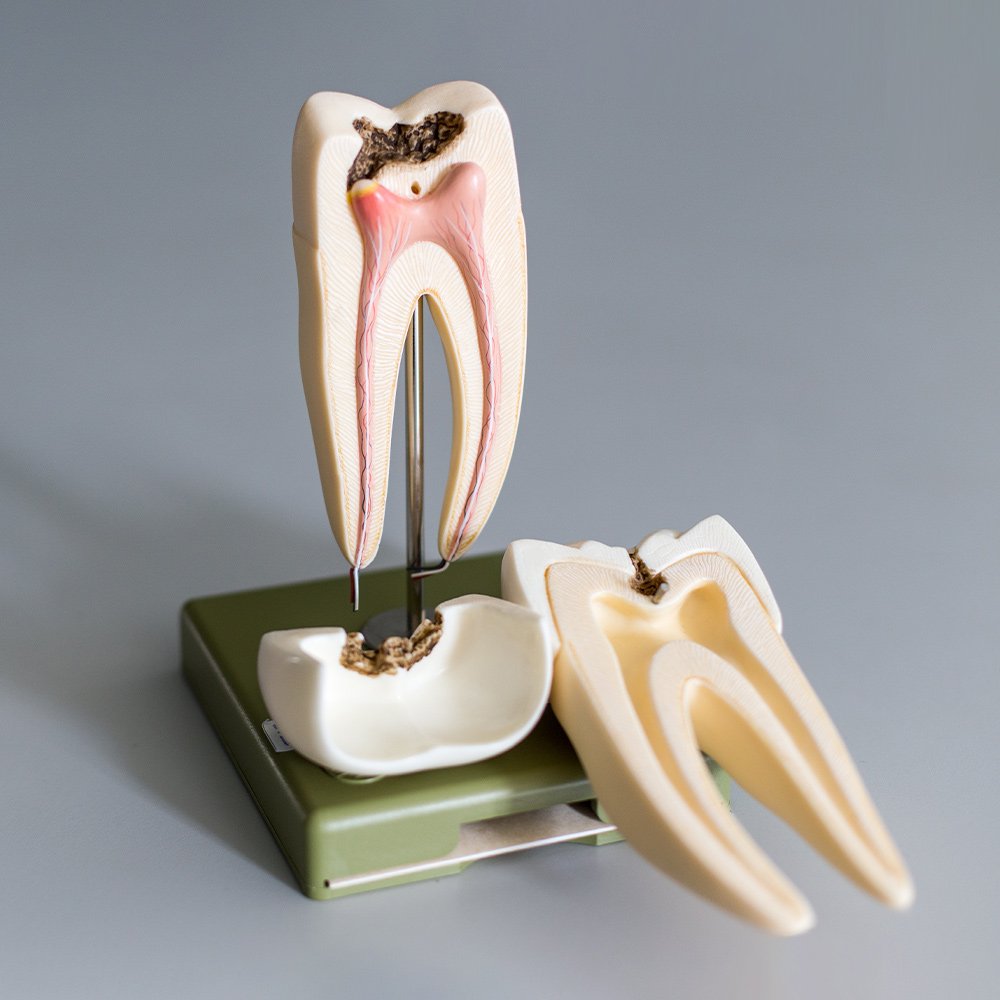
Root canal therapy, also called endodontic treatment, is a procedure used to treat infection or serious inflammation inside a tooth.
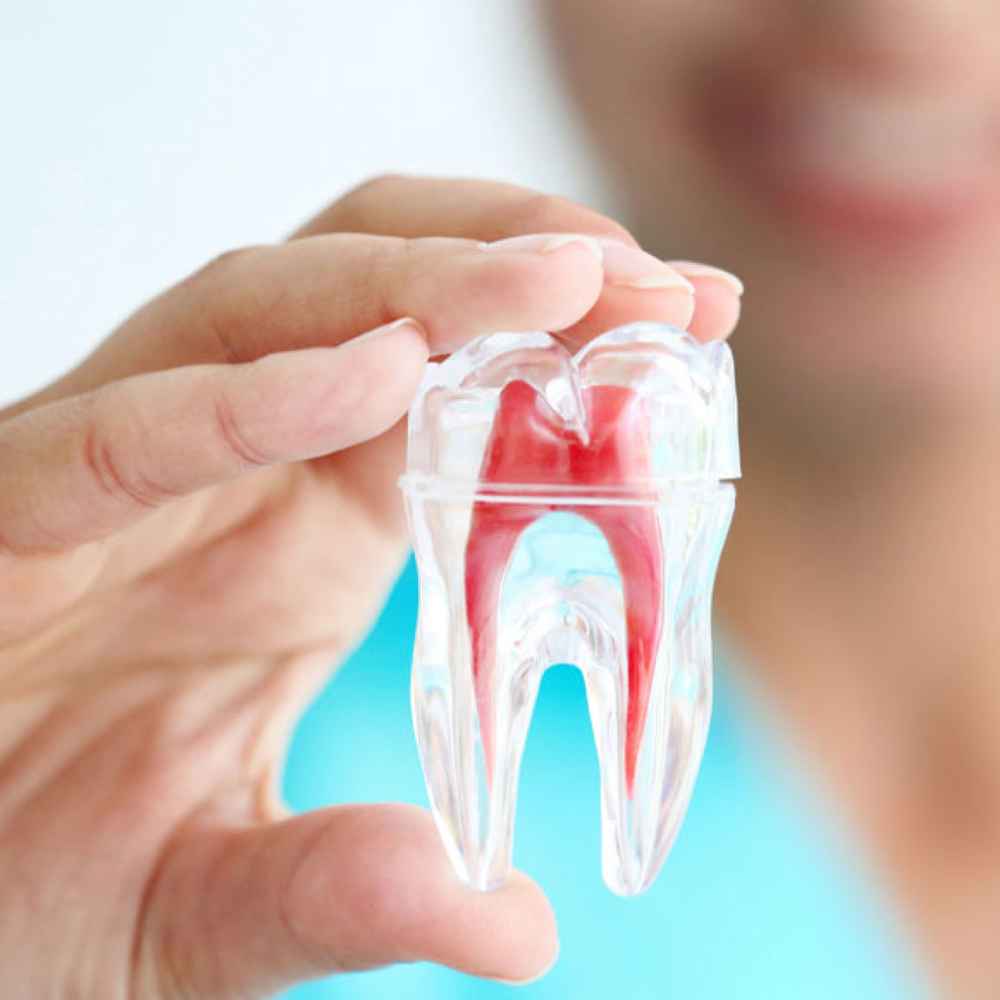
Under the enamel and dentin is a soft area called the dental pulp. It contains nerves, blood vessels, and connective tissue. Deep tooth decay, a crack, trauma, or repeated dental procedures can damage this tissue. Once the pulp becomes badly inflamed or infected, the tooth may need root canal treatment.
During treatment, the dentist creates a small opening in the tooth, removes the damaged pulp, cleans and disinfects the root canal system, and then fills and seals the canals. The tooth is then restored to protect it and return it to normal function.
The American Association of Endodontists explains that root canal treatment is designed to remove infected pulp, clean and seal the tooth, and preserve the natural tooth.
Why You Shouldn’t Ignore an Infected Tooth
Here’s the tricky part about tooth infections: pain isn’t always a reliable measure of how serious the problem is.
A tooth can hurt intensely, then suddenly feel better. That doesn’t necessarily mean the infection is gone. In some cases, the nerve inside the tooth has become severely damaged or died, while bacteria remain inside the tooth.
Without appropriate treatment, an infected pulp can contribute to an abscess and problems around the root.
That’s why taking pain medication and waiting indefinitely isn’t a substitute for a dental evaluation.
If you’re experiencing significant pain, swelling, or signs of infection, contact a dentist promptly. If you have severe facial swelling or difficulty breathing or swallowing, seek urgent medical attention.
Antibiotics also aren’t a replacement for treating the underlying dental problem in most cases of pulpal or periapical dental pain. The American Dental Association recommends prioritizing appropriate dental treatment, with antibiotics reserved for situations where they are clinically indicated, including systemic involvement.
Frequently Asked Questions About Root Canal Therapy
How do I know if I need a root canal?
Common warning signs include persistent tooth pain, lingering sensitivity to hot or cold, pain when biting, swollen or tender gums, a gum pimple, deep decay, or discoloration. However, symptoms aren’t enough to confirm a root canal is needed. A dental examination and appropriate imaging are usually needed to determine the cause.
Is a root canal worse than having a tooth pulled?
Not necessarily. Root canal treatment is designed to preserve your natural tooth, while extraction removes it. When a tooth can be saved, keeping it can avoid the additional treatment needed to replace a missing tooth. The best option depends on the tooth’s condition and whether it can be predictably restored.
How long does a root canal take?
Treatment time varies depending on the tooth and the complexity of the infection. Many root canal procedures can be completed in one or two appointments. Your dentist can give you a better estimate after examining the tooth.
Do I need a crown after root canal treatment?
You may. Back teeth often need crowns because they handle substantial chewing forces, while some front teeth can be restored with a filling depending on how much healthy tooth remains. Your dentist will recommend the restoration based on your tooth’s condition and location.
Can I go back to work after a root canal?
Many people can return to normal activities the same day, although your mouth may remain numb for a few hours and the tooth can be tender afterward. Your dentist will give you specific instructions based on your treatment.
How much does a root canal cost in Clearwater?
The cost depends on the tooth being treated, the complexity of the procedure, and the restoration required afterward. Dental insurance coverage also varies. Agoka Dental can discuss the recommended treatment and expected costs after evaluating your tooth.
What happens if I don't get a root canal?
If an infected or severely inflamed pulp isn’t treated, the condition can cause continuing pain or lead to an abscess. In some cases, the tooth may eventually become impossible to save. If you have persistent tooth pain, swelling, or other warning signs, schedule a dental evaluation rather than waiting for the symptoms to disappear.
Our Process at a Glance
Discovery & Baselines
During your initial visit, we capture 3D cone beam scans, review your medical history, assess bone quality, and create a digital treatment plan showing implant positioning and final restoration design. You’ll leave with a detailed cost breakdown and timeline specific to your case.
Implementation
On surgery day, we place your implant(s) using surgical guides for precise positioning, provide detailed post-operative care instructions, and schedule your follow-up appointments. Most patients return to normal activities within 2 to 3 days with minimal discomfort managed through prescribed medications.
Optimization & Reporting
We monitor healing at 2-week and 8-week intervals, confirming successful osseointegration before taking final impressions for your custom crown or bridge. Once your permanent restoration is placed, we provide a personalized maintenance schedule and remain available for any questions throughout the life of your implant.
Do You Need a Root Canal?
Not every toothache requires a root canal. Tooth pain can have many causes, including decay, a loose filling, a cracked tooth, gum problems, grinding, or temporary sensitivity.
That’s why diagnosis matters.
A Clearwater dentist may recommend root canal treatment when the dental pulp has become irreversibly inflamed or infected. Common causes include:
- Deep tooth decay
- A cracked or fractured tooth
- Dental trauma
- A large or failing filling
- Repeated procedures on the same tooth
- Damage to the pulp beneath a crown
- Bacterial infection inside the tooth
Some teeth have obvious symptoms. Others don’t.
You might need evaluation if you notice:
- Persistent or severe toothache
- Lingering sensitivity to hot or cold
- Pain when biting or chewing
- Tenderness around a tooth
- Swollen or irritated gums
- Facial or cheek swelling
- A small pimple or bump on the gums
- Tooth discoloration
- A bad taste or drainage around the tooth
- Signs of a dental abscess
- Pain that wakes you up at night
The AAE notes that severe pain while chewing, lingering temperature sensitivity, swollen or tender gums, deep decay, cracks, and gum pimples can all be signs that the pulp needs evaluation.
How Root Canal Treatment Works at Agoka Dental
Every tooth and every infection is different, so your treatment starts with an examination rather than assuming every tooth needs the same procedure.
1. Examination and Diagnosis
First, the dentist evaluates your symptoms and examines the affected tooth.
Depending on your situation, diagnostic tools may include dental X-rays or other dental imaging. The goal is to understand the condition of the tooth, look for infection or changes around the root, and determine whether the tooth can be treated and restored.
This step also helps rule out other causes of tooth pain.
2. Local Anesthesia
If root canal therapy is appropriate, local anesthesia is used to numb the treatment area.
A lot of people worry about root canals because they’ve heard stories about painful procedures. Modern root canal treatment is intended to relieve the pain caused by an infected or inflamed tooth. Effective local anesthesia allows the dentist to work while keeping you comfortable.
You may feel pressure during treatment, but you shouldn’t simply tolerate significant pain. Tell your dental team if you feel uncomfortable so they can address it.
3. Accessing the Tooth
Once the area is numb, the dentist creates an access opening through the tooth.
This gives the dentist access to the pulp chamber and root canals where infected or damaged tissue is located.
4. Removing the Infected Pulp
The damaged dental pulp is removed from inside the tooth.
The root canal system is then cleaned and shaped. This is an important part of treatment because the goal is to remove infected tissue and bacteria from the areas that can be reached within the tooth.
5. Cleaning, Disinfection, and Sealing
The canals are cleaned and disinfected before being filled with appropriate root canal filling material.
The canals are then sealed to help prevent bacteria from getting back inside.
The American Association of Endodontists describes this process as removing the infected pulp, cleaning and shaping the canals, and filling and sealing the space.
6. Restoring the Tooth
Root canal treatment is only part of saving the tooth.
The treated tooth may need a permanent filling, dental crown, or another restoration depending on its location and how much healthy tooth structure remains.
Back teeth such as premolars and molars take significant chewing forces and often need a crown for protection. Front teeth may not always require one. Your dentist can explain what’s appropriate for your specific tooth.
A timely final restoration helps protect the treated tooth and allows you to return to normal chewing.
Is a Root Canal Painful?
This is probably the biggest concern people have.
The good news is that modern root canal treatment is designed to control discomfort, not create it.
The pain you feel before treatment often comes from inflammation or infection inside the tooth. Once the source of that problem is treated, the tooth can begin to settle down.
You may have some tenderness or sensitivity for a few days afterward. That’s different from severe, worsening pain.
The American Association of Endodontists reports that most patients are comfortable during treatment with modern anesthesia, although some temporary sensitivity or soreness can occur afterward.
If you’re nervous about dental treatment, tell the Agoka Dental team before your procedure. Knowing what will happen can make the experience much easier.
Root Canal Therapy vs. Tooth Extraction
If a tooth is infected, you may wonder why you shouldn’t simply have it removed.
Extraction can be the right choice for a tooth that cannot be predictably restored. But when a natural tooth can be saved, root canal therapy may offer important advantages.
Keeping your natural tooth can help you:
- Maintain normal chewing
- Preserve your natural smile
- Avoid immediate tooth removal
- Avoid the additional treatment involved in replacing a missing tooth
- Maintain the position of neighboring teeth
- Continue using the tooth as part of your normal bite
If extraction is recommended, replacing the missing tooth may involve an implant, bridge, or other restoration. That can mean additional appointments and expenses.
The American Association of Endodontists notes that saving a natural tooth can provide functional and practical advantages compared with extraction followed by tooth replacement.
The right choice depends on the condition of your tooth. At Agoka Dental, the goal is to explain your options so you can make an informed decision.
What Happens After a Root Canal?
You may be able to return to your normal routine fairly quickly, depending on the treatment and your individual circumstances.
While your mouth is numb, avoid chewing until normal sensation returns so you don’t accidentally bite your cheek, lip, or tongue.
Your tooth may feel tender when you bite for a few days. Follow the post-treatment instructions you receive and take medications only as directed.
If you have a temporary filling or temporary restoration, be careful with the treated tooth until the permanent restoration is placed.
Keep brushing and flossing as directed, but be gentle around the treated area.
Most importantly, don’t put off the final restoration. A root canal-treated tooth still needs protection.
Contact your dentist if you develop severe or worsening pain, significant swelling, an uneven bite, or symptoms that return after treatment. The AAE specifically recommends contacting the treating dental professional if severe pain or pressure persists, swelling develops, the bite feels uneven, or previous symptoms return.
Do You Always Need a Crown After a Root Canal?
No. But many root canal-treated teeth benefit from one.
The decision depends on the tooth’s location, how much healthy structure remains, the amount of damage, and the forces placed on that tooth during chewing.
Molars and premolars often need stronger protection because they handle substantial chewing pressure. A front tooth may sometimes be restored with a filling instead.
Agoka Dental can evaluate the treated tooth and explain whether a dental crown or another restoration is appropriate.
The goal isn’t simply to complete the root canal. It’s to protect the tooth afterward so you can continue using it comfortably.
Emergency Root Canal Treatment in Clearwater
A severe toothache doesn’t always happen at a convenient time.
You may wake up with throbbing pain. You may notice swelling after work. Or a cracked tooth may suddenly become painful when you bite down.
If you’re searching for an emergency root canal in Clearwater, don’t ignore symptoms such as:
- Severe or increasing tooth pain
- Facial or cheek swelling
- Swollen gums
- A dental abscess
- Pus or drainage
- Severe pain when biting
- Persistent sensitivity
- Fever or feeling generally unwell
Call Agoka Dental as soon as possible for guidance and an examination.
If swelling is affecting your ability to breathe or swallow, seek emergency medical care immediately.
What If a Previously Treated Tooth Starts Hurting?
A root canal-treated tooth can sometimes develop a problem months or even years later.
That doesn’t automatically mean the tooth has to be extracted.
A previously treated tooth may become painful because of new decay, a damaged filling or crown, a fracture, or persistent infection. In some cases, complicated root canal anatomy can also play a role.
Depending on the cause, an evaluation may lead to retreatment or another procedure.
The AAE notes that endodontic retreatment can sometimes give a previously treated tooth another chance when it has not healed properly or develops a new problem.
If an old root canal starts hurting again, schedule an evaluation rather than assuming extraction is your only option.
Root Canal Cost in Clearwater, FL
The cost of root canal treatment varies.
There isn’t one price that applies to every patient because treatment complexity, the tooth involved, the amount of damage, the need for additional treatment, and the final restoration can all affect the total cost.
A molar root canal, for example, can be more involved than treatment on a front tooth.
Dental insurance may cover part of the cost, but coverage varies by plan. Your final cost also needs to account for any restoration required after the root canal.
At your consultation, ask about:
- The recommended treatment
- Whether the tooth can be saved
- Whether a crown is recommended
- What your insurance may cover
- Your estimated out-of-pocket cost
- Payment or financing options, if available
Clear information about your treatment and expected costs can make the process much less stressful.
Why Choose Agoka Dental for Root Canal Therapy in Clearwater?
When you’re in pain, you want more than a list of procedures. You want to know what’s wrong, what your choices are, and what happens next.
Agoka Dental provides dental care for patients in Clearwater and the surrounding area, with root canal therapy available as part of restorative and emergency dental care.
Your visit can include appropriate diagnostic evaluation, dental imaging when needed, a discussion of your treatment options, and follow-up care.
A good root canal treatment plan should focus on more than removing infected pulp. The tooth also needs to be restored and maintained afterward.
For patients in Clearwater, including those living or working around areas such as Downtown Clearwater, North Clearwater, South Clearwater, Countryside, Coachman, and nearby Pinellas County communities, Agoka Dental can provide a local option for evaluating tooth pain and possible infection.
Only mention specific neighborhoods in your final published page if they fall within Agoka Dental’s actual service area.
Protect Your Natural Tooth When Possible
People often think a root canal means something has gone badly wrong and the tooth is destined to be lost.
That’s not necessarily true.
Root canal treatment is one of the ways dentists can treat a seriously damaged or infected tooth while preserving the natural tooth structure that’s still healthy.
With proper treatment, restoration, and regular dental care, many root canal-treated teeth can remain functional for many years.
If you’re experiencing tooth pain in Clearwater, don’t try to diagnose the problem yourself. A toothache can come from several different conditions, and the right treatment depends on what’s happening inside and around the tooth.
Schedule a Root Canal Consultation in Clearwater
If you’re dealing with a painful tooth, you don’t have to guess what’s causing it.
Agoka Dental can evaluate your symptoms, examine the affected tooth, and explain whether root canal therapy or another treatment is appropriate.
Whether you’re dealing with deep decay, a cracked tooth, lingering sensitivity, a dental abscess, or persistent pain when chewing, getting the tooth evaluated early can give you more options.
Contact Agoka Dental to schedule a root canal consultation in Clearwater, FL.
Patient Testimonials
Real Stories from Real Tampa Patients



Make an Appointment
Ready to take the next step toward a healthier, more beautiful smile? Fill out the form below and one of our team members will contact you to confirm your visit. We’re here to make your experience easy and stress-free.
OR CALL US NOW
(813) 879-9000
Prefer to speak with someone directly? We’re happy to help!
Let’s get you scheduled — your smile deserves it.