
Root Canal Therapy in Brandon, FL
Tooth pain can make it hard to eat, sleep, work, or focus on anything else. If the pain is coming from deep inside a tooth, a root canal may be the treatment that helps save it.
At Agoka Dental, we provide root canal therapy for patients in Brandon, FL, and the surrounding communities. Our goal is simple: find out what’s causing your tooth pain, explain your treatment options clearly, and help protect your natural tooth whenever it can be saved.
Free Consultation
Have questions? Contact us now for a free consultation and expert guidance for all your dental issues.
Root canal treatment is often recommended when the pulp inside a tooth becomes inflamed or infected. This can happen because of deep tooth decay, a crack or fracture, dental trauma, or repeated dental procedures. Without treatment, an infected tooth can continue causing pain and may develop an abscess.
If you’re dealing with persistent tooth pain, sensitivity to hot or cold, pain when biting, swelling, or another concerning dental symptom, don’t wait for it to become harder to manage. A dental examination can help determine what’s happening and whether root canal therapy is appropriate.
What Is Root Canal Therapy?
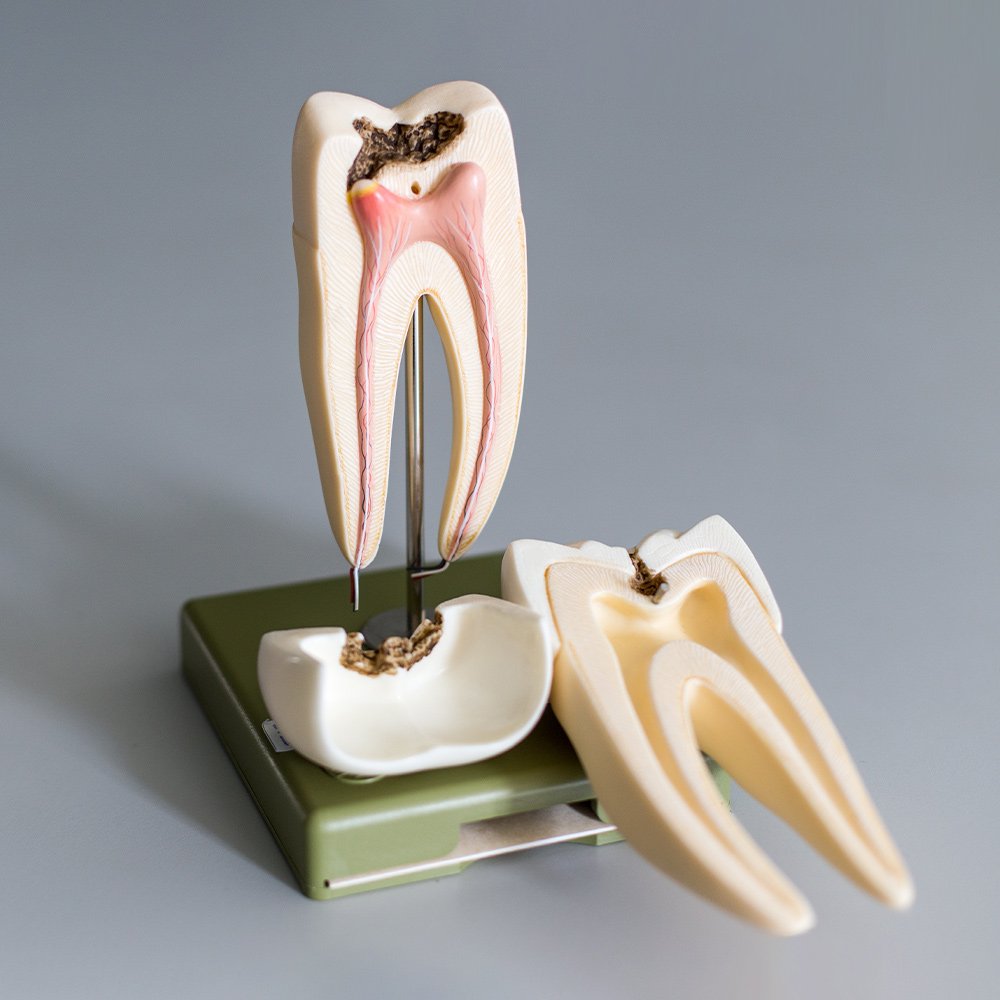
A root canal is a dental treatment used to remove infected or damaged pulp from inside a tooth.
The pulp is the soft tissue found inside the tooth. It contains nerves and blood vessels. When bacteria reach this area through deep decay, cracks, fractures, or other damage, the pulp can become inflamed or infected.
Root canal therapy removes the affected tissue, cleans and disinfects the inside of the tooth, and seals the root canal system. The tooth can then be restored so you can continue using it.
Despite its reputation, a root canal isn’t designed to cause pain. The purpose is to treat the source of pain and infection while giving you a chance to keep your natural tooth.
For many Brandon patients, saving the natural tooth can be preferable to removing it and later replacing it with a bridge, denture, or dental implant.
Does a Root Canal Hurt?
This is probably the most common concern people have.
Modern root canal treatment is performed with local anesthesia to numb the area. During treatment, you may feel pressure or movement, but you shouldn’t have to simply tolerate severe pain.
The infection itself can be responsible for much of the pain that brings someone to the dental office in the first place. Treating the infected pulp addresses the source of that problem.
After treatment, the tooth may feel tender for a short time. Your dentist will provide instructions for caring for the tooth and managing normal post-treatment discomfort.
If you have significant pain, increasing swelling, or symptoms that concern you after treatment, contact your dental office.
Frequently Asked Questions About Root Canal Therapy
How do I know if I need a root canal?
Persistent tooth pain, lingering hot or cold sensitivity, pain when biting, swelling, a damaged tooth, or signs of infection can indicate that the pulp may be affected. However, these symptoms can have other causes too. A dental examination and appropriate diagnostic testing are needed to determine whether root canal therapy is right for you.
Does a root canal hurt?
The area is numbed with local anesthesia before treatment. You may feel pressure during the procedure, but the goal is to keep you comfortable. Some tenderness afterward can occur as the tissues around the tooth recover.
How long does a root canal take?
Treatment time depends on the tooth, the number and shape of its canals, the extent of infection, and the restoration required afterward. Your dentist can give you a better estimate after examining the tooth.
What happens if I don't treat an infected tooth?
An untreated infection may continue to spread and can lead to an abscess, swelling, bone damage, or more extensive dental problems. Pain can also change or temporarily disappear without meaning the infection has been resolved. If you suspect a tooth infection, it’s better to have it evaluated.
Will I need a crown after a root canal?
Not every tooth requires the same restoration. A crown is often considered when a tooth has lost a substantial amount of structure or needs additional protection from fracture. Your dentist will determine the appropriate restoration based on the tooth’s condition and location.
Is a root canal better than having the tooth removed?
If the tooth can be predictably restored, root canal therapy can allow you to keep your natural tooth. Extraction may be recommended when a tooth cannot be restored. Your dentist can explain the benefits, risks, and long-term considerations of each option.
Can I get a root canal if I have severe tooth pain or swelling?
Severe pain or swelling can be a sign of an infection that needs prompt attention. Contact a dental office as soon as possible for an evaluation. If you have facial swelling accompanied by difficulty breathing or swallowing, seek emergency medical care immediately.
Our Process at a Glance
Discovery & Baselines
During your initial visit, we capture 3D cone beam scans, review your medical history, assess bone quality, and create a digital treatment plan showing implant positioning and final restoration design. You’ll leave with a detailed cost breakdown and timeline specific to your case.
Implementation
On surgery day, we place your implant(s) using surgical guides for precise positioning, provide detailed post-operative care instructions, and schedule your follow-up appointments. Most patients return to normal activities within 2 to 3 days with minimal discomfort managed through prescribed medications.
Optimization & Reporting
We monitor healing at 2-week and 8-week intervals, confirming successful osseointegration before taking final impressions for your custom crown or bridge. Once your permanent restoration is placed, we provide a personalized maintenance schedule and remain available for any questions throughout the life of your implant.
What Causes a Tooth Infection?
Several problems can allow bacteria to reach the pulp inside a tooth.
Deep Tooth Decay
A small cavity may initially affect only the outer layers of the tooth. If decay continues to spread deeper, it can eventually reach the pulp.
Once bacteria enter the pulp chamber, inflammation or infection can develop.
Cracked or Fractured Teeth
A crack can provide bacteria with a pathway into the inner portion of a tooth. Depending on the location and severity of the crack, root canal therapy may be one treatment option.
Dental Trauma
An injury to the mouth can damage the pulp even when the outside of the tooth doesn’t look severely damaged.
A tooth that has been hit, fractured, or otherwise injured may need an evaluation to determine whether the pulp has been affected.
Repeated Dental Procedures
A tooth that has undergone multiple procedures may sometimes develop pulp problems. Your dentist can examine the tooth and determine whether the nerve and surrounding tissues are healthy.
Signs You May Need a Root Canal
Not every toothache means you need a root canal. Tooth pain can have many causes, which is why an examination matters.
Some common signs that may indicate an infected or inflamed dental pulp include:
- Persistent or severe toothache
- Throbbing pain
- Pain when biting or chewing
- Sensitivity to hot or cold that lingers
- Swollen or tender gums near a tooth
- Facial or jaw swelling
- A darkened or discolored tooth
- A bad taste in your mouth
- Pus around the tooth
- A recurring bump or pimple on the gums
- Pain following dental trauma
- A deep cavity
- A cracked or broken tooth
Sometimes an infected tooth causes surprisingly little pain. In other cases, the pain can be intense.
That’s why you shouldn’t assume that the problem has gone away simply because the tooth stopped hurting. An infection can remain even after the nerve inside the tooth has stopped responding.
If you’ve had tooth pain that keeps coming back, it’s worth getting the tooth checked.
How Root Canal Treatment Works
If you’re nervous about what happens during a root canal, you’re not alone. Knowing what to expect can make the process much easier.
1. Dental Examination
The first step is finding out what’s actually causing your symptoms.
Your dentist may examine the tooth, check your bite, evaluate the surrounding gums, and use dental X-rays or other diagnostic methods when appropriate.
The goal is to determine whether the pulp is inflamed or infected and whether the tooth can be restored.
2. Local Anesthesia
If root canal treatment is recommended, local anesthesia is used to numb the area.
You should not feel the sharp pain associated with an untreated infected tooth during the procedure. Your dental team can also explain what you should expect before treatment begins.
3. Accessing the Tooth
A small opening is made in the tooth to reach the pulp chamber and root canal system.
This allows the dentist to access the damaged or infected tissue inside.
4. Removing the Damaged Pulp
The inflamed or infected pulp is removed from the inside of the tooth.
This is an important part of eliminating the source of infection within the tooth.
5. Cleaning and Disinfecting
The inside of the tooth is cleaned and disinfected. The root canals are carefully prepared so they can be sealed.
This step helps remove bacteria and damaged tissue from the root canal system.
6. Sealing the Root Canals
After cleaning, the canals are filled and sealed with appropriate dental materials.
The purpose is to close the space and help prevent bacteria from entering again.
7. Restoring the Tooth
After root canal therapy, the tooth usually needs a permanent restoration.
Depending on the tooth’s condition and location, this may involve a filling or dental crown. A crown can provide additional protection for a tooth that has lost substantial structure.
Your dentist will discuss the restoration needed for your specific tooth.
Does a Root Canal Hurt?
This is probably the most common concern people have.
Modern root canal treatment is performed with local anesthesia to numb the area. During treatment, you may feel pressure or movement, but you shouldn’t have to simply tolerate severe pain.
The infection itself can be responsible for much of the pain that brings someone to the dental office in the first place. Treating the infected pulp addresses the source of that problem.
After treatment, the tooth may feel tender for a short time. Your dentist will provide instructions for caring for the tooth and managing normal post-treatment discomfort.
If you have significant pain, increasing swelling, or symptoms that concern you after treatment, contact your dental office.
Root Canal vs. Tooth Extraction
When a tooth is badly infected, some people immediately assume that extraction is the only option.
That’s not always the case.
Root canal therapy is specifically intended to help preserve a natural tooth when the tooth can still be restored. Instead of removing the tooth, the dentist removes the infected pulp, cleans the inside, seals it, and restores the tooth.
Extraction may be considered when a tooth is too damaged or compromised to restore.
The right choice depends on factors such as:
- How much healthy tooth structure remains
- The location and severity of the infection
- Whether the tooth is cracked
- The condition of the surrounding bone and gums
- Whether the tooth can be properly restored
- Your overall oral health
- Your treatment preferences
A dental examination is the best way to understand your options.
Why Saving Your Natural Tooth Matters
Your natural teeth are designed to work together when you bite and chew.
When a tooth is removed, the surrounding teeth can shift over time. Depending on the situation, replacing the missing tooth may require additional treatment such as a bridge or dental implant.
When a natural tooth can be predictably restored, preserving it can help maintain your existing bite and reduce the need for tooth replacement.
That’s one reason root canal therapy is considered a tooth-saving treatment.
What Happens After Root Canal Therapy?
Root canal treatment addresses the infection inside the tooth, but the tooth still needs normal care afterward.
You may have some tenderness around the treated tooth. Follow the instructions provided by your dental team and avoid putting unnecessary pressure on the tooth until your recommended restoration is completed.
If your tooth needs a crown or another permanent restoration, don’t put that step off.
A tooth that has undergone root canal therapy can still be vulnerable to fracture, especially if it has already lost a significant amount of tooth structure.
Once the final restoration is in place, continue brushing, flossing, attending regular dental checkups, and maintaining good oral hygiene.
A root canal doesn’t mean you’re finished caring for the tooth.
When Is Root Canal Treatment an Emergency?
Some dental problems shouldn’t wait.
Contact a dentist promptly if you have severe tooth pain, significant swelling, an abscess, or symptoms that are getting worse.
Signs such as facial swelling, fever, difficulty swallowing, or difficulty breathing can indicate a serious infection and require urgent medical attention.
Even when the pain isn’t severe, a suspected tooth infection should be evaluated rather than ignored.
People sometimes delay treatment because they hope the pain will disappear. Unfortunately, an untreated infection doesn’t necessarily resolve on its own.
Getting evaluated early may give you more treatment options and can help prevent the problem from becoming more complicated.
Root Canal Therapy in Brandon, FL
If you’re searching for a root canal dentist in Brandon, FL, Agoka Dental provides dental care for patients in Brandon and surrounding communities.
Our Brandon-area patients may come from neighborhoods and nearby communities such as Bell Shoals, Deer Creek, Bloomingdale, Valrico, Riverview, Seffner, FishHawk, and other areas around eastern Hillsborough County, depending on where they live and choose to receive care.
Agoka Dental has served the community for 30 years and provides a range of dental services, including general, preventive, restorative, and cosmetic care.
That broader dental experience can be valuable when a root canal is only one part of the care your tooth needs. The evaluation can also consider the condition of the surrounding teeth, gums, bite, and the restoration needed after treatment.
What Makes a Good Root Canal Evaluation?
A good root canal consultation shouldn’t be based on pain alone.
Your dentist needs to understand what’s happening inside and around the tooth.
Depending on your symptoms, an evaluation may include:
- Reviewing your dental and medical history
- Discussing when your symptoms started
- Identifying what makes the pain better or worse
- Examining the tooth and surrounding gums
- Checking the tooth’s response to testing
- Assessing your bite
- Taking dental X-rays when appropriate
- Looking for signs of infection or an abscess
- Determining whether the tooth can be restored
This helps distinguish a tooth that needs root canal therapy from other problems that can cause similar symptoms.
Root Canal Treatment for Tooth Pain in Brandon
If you’re waking up with tooth pain, avoiding one side of your mouth when you chew, or wincing every time you drink something hot or cold, don’t just keep waiting for it to pass.
A persistent tooth problem deserves an evaluation.
The sooner the cause is identified, the sooner you can understand your treatment choices.
At Agoka Dental, we’ll explain what we’re seeing and what the next step may be. If root canal therapy is appropriate, you’ll have a clearer understanding of why it’s recommended and what the treatment involves.
If another treatment makes more sense, we’ll discuss that instead.
The goal is not to recommend a root canal simply because you have tooth pain. The goal is to identify the actual problem and provide appropriate care.
Take the Next Step for Your Tooth
You don’t have to guess what’s causing your tooth pain.
If you’re looking for root canal therapy in Brandon, FL, Agoka Dental can evaluate your symptoms, examine the affected tooth, and explain your treatment options.
Whether the problem is deep decay, an infection, a cracked tooth, or another dental concern, getting an accurate diagnosis is the first step.
Our team has served the community for 30 years and provides a welcoming setting for patients seeking ongoing dental care.
Call Agoka Dental or request an appointment to have your tooth evaluated. Getting treatment sooner can help protect your oral health and may give you the opportunity to save your natural tooth.
Patient Testimonials
Real Stories from Real Tampa Patients



Make an Appointment
Ready to take the next step toward a healthier, more beautiful smile? Fill out the form below and one of our team members will contact you to confirm your visit. We’re here to make your experience easy and stress-free.
OR CALL US NOW
(813) 879-9000
Prefer to speak with someone directly? We’re happy to help!
Let’s get you scheduled — your smile deserves it.