
Full Mouth Reconstruction in Brandon, FL
When several dental problems start happening at once, fixing one tooth at a time may not be enough.
You may have missing teeth, worn enamel, broken or badly decayed teeth, old dental work, gum problems, or a bite that no longer feels right. Maybe you have trouble chewing certain foods. Maybe your teeth hurt or feel sensitive. Or perhaps you’ve been putting off dental care because you don’t know where to start.
Free Consultation
Have questions? Contact us now for a free consultation and expert guidance for all your dental issues.
Full mouth reconstruction can bring those concerns together into one carefully planned treatment strategy.
At Agoka Dental, we provide restorative dental care for patients in Brandon, FL, and surrounding communities who need more than a routine filling or crown. Full mouth reconstruction, also called full mouth restoration or full mouth rehabilitation, combines the dental procedures needed to rebuild the health, function, and appearance of your smile.
Your treatment may include dental crowns, bridges, dental implants, dentures, tooth-colored fillings, periodontal care, root canal treatment, tooth extraction, or other restorative procedures. You don’t automatically need every treatment listed here. Your plan depends on the condition of your teeth, gums, bite, and overall oral health.
The first step is finding out what’s really going on and deciding what should be treated first.
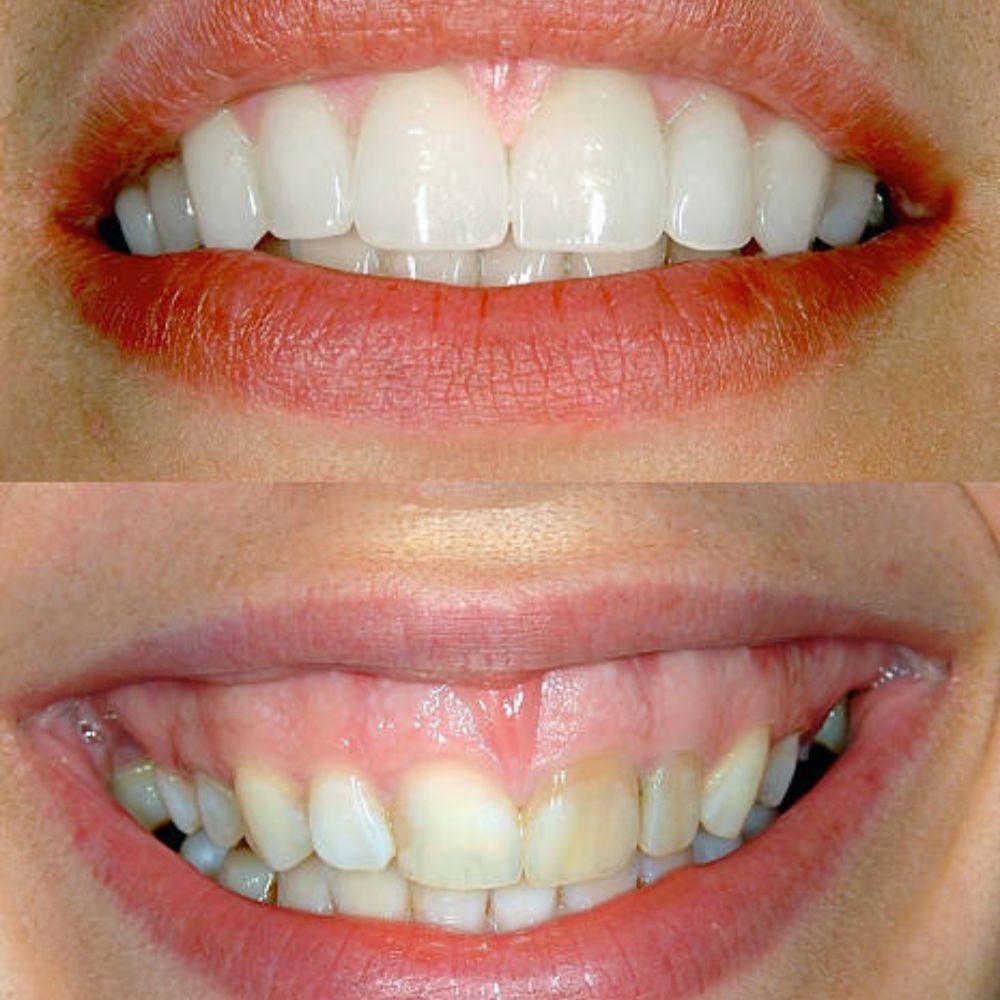
Full Mouth Reconstruction vs. a Smile Makeover
These terms are sometimes used interchangeably, but they aren’t always the same thing.
A smile makeover usually focuses heavily on the appearance of your smile. It may involve cosmetic procedures such as veneers, bonding, or cosmetic crowns.
Full mouth reconstruction is generally broader. It addresses multiple dental problems and may include restorative, periodontal, prosthetic, implant, and cosmetic treatments.
For example, someone with worn teeth, missing molars, gum disease, and several failing restorations may need a treatment plan that goes far beyond improving tooth color or shape.
That distinction matters.
If your teeth are unhealthy or your bite isn’t functioning properly, cosmetic treatment alone may not address the underlying problem.
How Long Does Full Mouth Reconstruction Take?
There’s no universal timeline.
Some patients have a relatively straightforward treatment plan that can be completed in a shorter period. More involved cases may take several months or longer, particularly when treatment includes healing periods, dental implants, periodontal treatment, or multiple stages of restorative care.
The important thing is not to rush a complex reconstruction just to finish quickly.
Your dentist should explain what needs to happen, which treatments come first, and what you can expect at each stage.
At your consultation, ask for a clear sequence of treatment so you understand both the dental work and the expected timeline.
Frequently Asked Questions About Full Mouth Reconstruction
How much does full mouth reconstruction cost in Brandon, FL?
There isn’t one fixed price because full mouth reconstruction isn’t a single procedure. The total cost depends on the number and type of treatments required, such as crowns, bridges, implants, periodontal treatment, extractions, or dentures.
A consultation and examination are needed to develop an accurate treatment plan. Ask about your treatment options, expected stages, insurance benefits, and available payment options before beginning care.
How do I know if I need full mouth reconstruction?
You may be a candidate if you have several significant dental problems, such as missing teeth, severe decay, worn teeth, broken teeth, failing restorations, gum disease, or bite problems.
That doesn’t mean you automatically need a full reconstruction. A dental examination is the best way to determine whether multiple procedures should be coordinated into one treatment plan.
Can full mouth reconstruction save my natural teeth?
Sometimes.
If a damaged tooth has enough healthy structure and supporting tissue, restorative treatment may allow it to remain in place. In other cases, a tooth may be too damaged to restore predictably and extraction may be recommended.
The decision should be based on the condition and long-term outlook of each tooth.
How long does full mouth reconstruction take?
Treatment time varies widely. Some cases can be completed relatively quickly, while more complex cases may take several months or longer.
Implant treatment, gum therapy, healing periods, and multiple restorative stages can affect the timeline. Your dentist can give you a more useful estimate after examining your mouth.
Does full mouth reconstruction include dental implants?
It can, but implants aren’t required for every full mouth reconstruction.
Dental implants may be used to replace missing teeth or support implant crowns, bridges, or dentures when appropriate. Whether they’re right for you depends on factors such as bone and gum health, remaining teeth, overall oral health, and your treatment goals.
Is full mouth reconstruction the same as getting dentures?
No.
Dentures are one possible component of a full mouth reconstruction. A reconstruction may also include crowns, bridges, fillings, implants, periodontal treatment, root canal therapy, or other procedures.
The right combination depends on how many healthy teeth you have and what can be restored.
What happens at my first full mouth reconstruction appointment?
Your first appointment typically focuses on understanding your concerns and evaluating your oral health.
Your dentist may examine your teeth and gums, assess your bite, review existing dental work, and use appropriate dental imaging. After the evaluation, you can discuss treatment options and the order in which care may need to happen.
You don’t have to figure it all out before your first visit.
Our Process at a Glance
Discovery & Baselines
During your initial visit, we capture 3D cone beam scans, review your medical history, assess bone quality, and create a digital treatment plan showing implant positioning and final restoration design. You’ll leave with a detailed cost breakdown and timeline specific to your case.
Implementation
On surgery day, we place your implant(s) using surgical guides for precise positioning, provide detailed post-operative care instructions, and schedule your follow-up appointments. Most patients return to normal activities within 2 to 3 days with minimal discomfort managed through prescribed medications.
Optimization & Reporting
We monitor healing at 2-week and 8-week intervals, confirming successful osseointegration before taking final impressions for your custom crown or bridge. Once your permanent restoration is placed, we provide a personalized maintenance schedule and remain available for any questions throughout the life of your implant.
What Can Be Included in Full Mouth Reconstruction?
Every case is different. Your treatment plan should be based on what your mouth actually needs.
Dental Crowns
Crowns can restore teeth that are significantly weakened, cracked, worn, or damaged by decay.
A crown covers the visible portion of a prepared tooth and can restore its shape, strength, and function.
Dental Bridges
A dental bridge can replace one or more missing teeth by connecting a replacement tooth to supporting teeth or other appropriate structures.
Bridges may be part of a reconstruction when they are a good fit for the patient’s dental condition.
Dental Implants
Dental implants can replace missing tooth roots and support restorations such as implant crowns, bridges, or dentures.
Not every patient is automatically a candidate for implants. Your dentist needs to evaluate your gums, bone, remaining teeth, medical history, and overall treatment needs.
Dentures and Partial Dentures
Full dentures may replace an entire arch of missing teeth, while partial dentures can replace several missing teeth when some natural teeth remain.
Implant-supported dentures may also be considered in appropriate cases when additional stability is desired.
Tooth-Colored Fillings and Bonding
Not every damaged tooth needs a crown.
For teeth with smaller areas of decay or damage, tooth-colored composite resin, bonding, inlays, or onlays may provide a more conservative restoration when clinically appropriate.
Root Canal Treatment
A severely damaged or infected tooth doesn’t always need to be removed.
If the tooth can be predictably saved, root canal treatment may remove infected tissue and allow the tooth to receive a restoration.
Tooth Extraction
Sometimes a tooth is too damaged or compromised to restore.
In those situations, extraction may be part of the overall reconstruction plan. If a tooth must be removed, your dentist can discuss appropriate replacement options when the time is right.
Gum Disease Treatment
Your gums matter just as much as your teeth.
Active gum disease can affect the tissues and bone supporting your teeth. If periodontal problems are present, controlling the disease may be an important early step before major restorative work.
How Full Mouth Reconstruction Works
If you’ve never gone through extensive dental treatment, the process can sound complicated.
Here’s what you can generally expect.
1. Comprehensive Dental Examination
Your first visit starts with understanding your concerns.
You’ll have an opportunity to explain what’s bothering you, whether that’s pain, missing teeth, difficulty eating, appearance, sensitivity, or a combination of problems.
Your dentist may evaluate your teeth, gums, bite, existing restorations, and overall oral health.
2. Diagnostic Imaging and Evaluation
Depending on your situation, diagnostic tools such as digital X-rays, intraoral photographs, digital impressions, or 3D imaging may be useful.
These tools can give your dentist a clearer view of areas that aren’t easy to evaluate during a visual examination alone.
A periodontal evaluation may also be appropriate.
3. Treatment Planning
This is where the individual pieces come together.
Your dentist determines which teeth may be saved, which restorations are needed, whether missing teeth should be replaced, and what should happen first.
The sequence matters.
For example, treating active gum disease or infection may need to happen before placing certain restorations. Similarly, temporary restorations may be used during some treatment plans before permanent restorations are completed.
4. Restoring Your Oral Health
Treatment may happen in stages.
One patient might need several crowns and a bridge. Another may need periodontal treatment, extractions, implants, and implant-supported restorations.
There’s no single full mouth reconstruction recipe.
Your treatment should reflect your actual dental needs.
5. Final Restorations and Bite Evaluation
Once the major treatment is completed, your dentist evaluates how the restorations fit and function.
Bite adjustments may be needed so your teeth work together properly.
Your dentist may also review oral hygiene and maintenance steps to help you protect your investment in your dental health.
What Is Full Mouth Reconstruction?
Full mouth reconstruction is a coordinated plan to restore multiple areas of your mouth.
Unlike a single dental procedure that focuses on one tooth, full mouth reconstruction looks at your smile as a whole. Your dentist considers the condition of your teeth and gums, how your teeth fit together, your ability to chew, and the appearance of your smile.
For some patients, the goal is to save as many natural teeth as possible. For others, replacing severely damaged or missing teeth may be the better choice.
Depending on your needs, full mouth reconstruction may involve:
- Dental crowns
- Dental bridges
- Dental implants
- Implant-supported restorations
- Full or partial dentures
- Implant-supported dentures
- Tooth-colored fillings
- Dental bonding
- Inlays and onlays
- Root canal treatment
- Tooth extraction when necessary
- Gum disease treatment
- Periodontal treatment
- Bite correction
- Occlusal adjustment
- Veneers or other cosmetic restorations when appropriate
The goal isn’t simply to make your teeth look better. A successful reconstruction should also address dental health and function.
Who May Need Full Mouth Reconstruction?
You don’t have to be missing every tooth to benefit from full mouth reconstruction.
This type of treatment may be considered when several dental problems affect your mouth at the same time. Common situations include:
Multiple Missing Teeth
Missing teeth can make eating and speaking harder. Gaps can also affect how your remaining teeth come together.
Dental implants, bridges, dentures, or implant-supported restorations may be considered depending on your oral health and treatment goals.
Severely Damaged or Broken Teeth
Teeth weakened by large cavities, fractures, accidents, or years of wear may need more than a small filling.
A crown or another restoration may help protect a tooth that can still be saved.
Extensive Tooth Decay
When decay affects several teeth, treating each problem separately without looking at the bigger picture may not provide the long-term plan you need.
A full-mouth evaluation helps identify which teeth can be restored, which need additional treatment, and which may have a poor long-term outlook.
Heavily Worn Teeth
Years of grinding, clenching, erosion, or other factors can gradually wear down your teeth.
You may notice shorter-looking teeth, increased sensitivity, difficulty chewing, or changes in how your teeth meet.
A reconstruction can address the condition of the teeth while also considering your bite and function.
Gum Disease and Tooth Problems Together
Healthy gums provide an important foundation for restorative dentistry.
If gum disease is present, periodontal treatment may need to happen before certain restorative procedures. Treating the supporting tissues is an important part of creating a stable environment for future dental work.
Bite or Jaw Problems
Your teeth need to work together.
If your bite is uneven or certain teeth receive too much pressure, restorations may need to be planned with your bite in mind. A bite analysis and clinical evaluation can help identify these concerns.
Is Full Mouth Reconstruction Painful?
This is one of the first questions many patients ask.
The answer depends on which procedures your treatment involves.
Your dentist can use appropriate local anesthesia for procedures that require it. After treatment, some procedures may cause temporary soreness or sensitivity while your mouth heals.
Your dentist will explain what to expect after each stage and provide appropriate aftercare instructions.
If you’re anxious about extensive dental work, say so before treatment begins. Knowing what makes you uncomfortable gives your dental team a chance to discuss ways to make the experience easier.
What Are the Benefits of Full Mouth Reconstruction?
The benefits depend on your starting point and the procedures included in your plan.
Potential benefits can include:
- Restoring damaged teeth
- Replacing missing teeth
- Improving chewing ability
- Improving the function of your bite
- Addressing active dental disease
- Protecting remaining teeth when possible
- Improving the appearance of damaged or missing teeth
- Making eating and speaking more comfortable
- Replacing failing or worn restorations
- Supporting long-term oral health with appropriate maintenance
The biggest benefit may simply be having a clear plan.
Instead of wondering which dental problem to handle next, you can understand how the different pieces of your treatment fit together.
Why a Conservative Treatment Plan Matters
Full mouth reconstruction doesn’t mean every tooth needs a crown, implant, or extraction.
That’s an important distinction.
If a natural tooth can be predictably restored and maintained, preserving it may be preferable to removing it. The right choice depends on the tooth’s condition, supporting bone and gum health, function, and long-term outlook.
A good treatment discussion should include alternatives when they exist.
You should understand why a particular procedure is being recommended and what other options may be available.
Full Mouth Reconstruction in Brandon, FL
If you live in Brandon, Florida, getting extensive dental treatment close to home can make a long treatment process easier to manage.
Agoka Dental serves patients looking for restorative dental care in Brandon and surrounding Tampa Bay communities.
Patients may come to our Brandon dental office from areas such as Bloomingdale, Valrico, Riverview, Seffner, FishHawk, Lithia, Tampa, and Plant City, depending on their location and dental needs.
For local patients, access matters. A reconstruction can involve multiple appointments, follow-up visits, temporary restorations, and maintenance. Having a dental office in the Brandon area can make those visits more convenient.
If you’re searching for full mouth reconstruction near Brandon, full mouth restoration in Brandon, FL, or a restorative dentist in Brandon, start with a consultation and a clear evaluation of your dental needs.
What Should You Ask at Your Consultation?
Don’t be afraid to ask questions.
In fact, you should.
Consider asking:
- Which teeth can be saved?
- Which teeth have a poor long-term outlook?
- What needs to be treated first?
- Will I need periodontal treatment?
- Are dental implants an option for me?
- Can some teeth be restored instead of extracted?
- What materials will be used for my restorations?
- How long might the complete treatment take?
- Will treatment be completed in stages?
- What will my maintenance plan look like?
- What are my alternatives?
- How will my bite be evaluated?
- What should I expect during recovery?
You should leave your consultation knowing what the proposed treatment involves and why.
Why Choose Agoka Dental for Full Mouth Reconstruction?
Extensive dental treatment deserves careful planning.
At Agoka Dental, the focus is on understanding the condition of your teeth, gums, bite, and overall oral health before deciding what treatment makes sense.
Full mouth reconstruction may involve several procedures, so coordination matters. Your treatment plan should explain the order of care, the purpose of each procedure, and what happens next.
We also believe patients should understand their choices.
If you’re considering full mouth restoration in Brandon, bring your questions. Tell us what’s bothering you. If you’re nervous about dental treatment, let us know. If you’re concerned about cost or treatment time, ask.
A good dental plan starts with a conversation.
Protecting Your Results After Reconstruction
Finishing your dental treatment isn’t the end of the process.
Your restored teeth still need regular care.
Good home brushing and flossing habits, routine dental examinations, professional cleanings when recommended, and attention to changes in your mouth can help protect your oral health.
If you grind or clench your teeth, talk with your dentist about whether additional protection may be appropriate.
Your maintenance plan depends on your teeth, restorations, gum health, and risk factors.
The goal is to keep small problems from becoming large ones again.
Schedule a Full Mouth Reconstruction Consultation in Brandon, FL
If you’re tired of dealing with broken, worn, missing, or painful teeth, you don’t have to guess what comes next.
A full mouth reconstruction consultation at Agoka Dental can help you understand the condition of your smile and the treatment options available to you.
Whether you live in Brandon, Bloomingdale, Valrico, Riverview, Seffner, FishHawk, Lithia, or another nearby Tampa Bay community, we’re here to help you take the next step toward healthier, more functional teeth.
Contact Agoka Dental today to schedule your consultation for full mouth reconstruction in Brandon, FL.
Patient Testimonials
Real Stories from Real Tampa Patients



Make an Appointment
Ready to take the next step toward a healthier, more beautiful smile? Fill out the form below and one of our team members will contact you to confirm your visit. We’re here to make your experience easy and stress-free.
OR CALL US NOW
(813) 879-9000
Prefer to speak with someone directly? We’re happy to help!
Let’s get you scheduled — your smile deserves it.