
Dental Crowns & Bridges in Tampa, FL
A damaged, weakened, or missing tooth can affect much more than your smile. It can make chewing uncomfortable, change the way your teeth come together, and make you think twice before laughing or talking.
At Agoka Dental, we provide custom dental crowns and bridges in Tampa, FL to help restore damaged teeth and replace missing ones. Our goal is simple: help you get back to eating, speaking, and smiling comfortably while protecting your long-term oral health.
Free Consultation
Have questions? Contact us now for a free consultation and expert guidance for all your dental issues.
Located on W Kennedy Boulevard in Tampa, Agoka Dental has served the community for 30 years. We provide general, restorative, and cosmetic dental care in one local office, with a focus on patient comfort and practical treatment recommendations.
If you have a cracked tooth, extensive decay, a large old filling, or a missing tooth, a crown or bridge may be a good option. The right treatment depends on the condition of your teeth, gums, bite, and overall oral health.
What Are Dental Crowns and Bridges?
Crowns and bridges are restorative dental treatments used for different problems.
A dental crown covers and protects a damaged tooth. Think of it as a protective cap that fits over the visible portion of the tooth. A crown can restore the tooth’s shape, strength, appearance, and function when a filling alone isn’t enough.
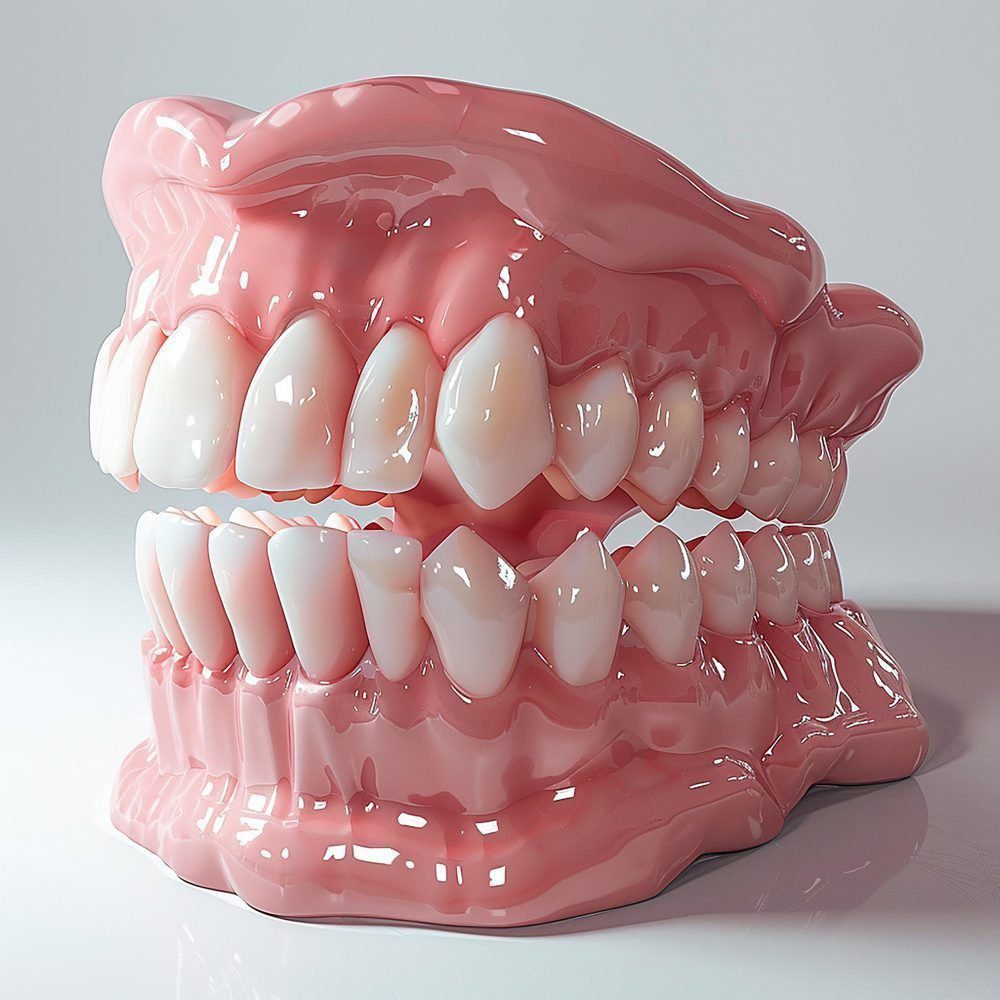
A dental bridge replaces one or more missing teeth. It uses supporting teeth or another appropriate foundation to hold an artificial tooth in the space left by the missing tooth.
Both treatments are fixed restorations. That means they’re designed to stay in your mouth rather than being removed like a traditional removable denture.
At Agoka Dental, we create custom crowns and bridges designed to fit your mouth and blend naturally with the surrounding teeth.
When Do You Need a Dental Crown?
A crown may be recommended when a tooth has suffered enough damage that a regular filling cannot provide the support it needs.
Common reasons for a dental crown include:
- Extensive tooth decay
- A cracked or broken tooth
- A severely weakened tooth
- A large filling with little natural tooth structure remaining
- A tooth with multiple previous fillings
- A severely worn tooth
- Certain teeth that have received root canal treatment
- A tooth that needs significant structural restoration
- A dental implant that needs a final tooth restoration
Agoka Dental offers porcelain crowns for teeth affected by significant decay or damage and for teeth that have already received multiple fillings.
Here’s an important distinction: a crown isn’t simply a larger filling. A filling replaces part of a tooth. A crown covers the remaining visible tooth to provide additional protection and support.
Your Tampa dentist will examine the tooth and determine whether enough healthy structure remains for a crown or whether another treatment would make more sense.
Crowns & Bridges in Tampa, FL: Frequently Asked Questions
How do I know if I need a crown or a filling?
A filling may be appropriate when enough healthy tooth structure remains to support the tooth. A crown may be recommended when the tooth is significantly weakened, cracked, heavily restored, or affected by extensive decay. Your dentist needs to examine the tooth before deciding which restoration is appropriate.
How long does a dental crown last?
The lifespan of a crown varies from person to person. Oral hygiene, bite forces, diet, tooth condition, and regular dental care all matter. Regular dental examinations allow your dentist to monitor the crown and the tooth underneath it.
Is getting a dental crown painful?
Your dentist can use local anesthesia when appropriate to keep you comfortable during treatment. Some people experience temporary sensitivity or gum tenderness afterward. Significant or persistent pain should be evaluated by your dentist.
Can a bridge replace more than one missing tooth?
In some cases, a bridge can replace multiple adjacent missing teeth. Whether it’s suitable depends on the location and number of missing teeth, the strength of the supporting teeth or other foundation, your bite, and your overall oral health.
Can I eat normally with a dental crown or bridge?
Once your restoration is properly fitted and you’ve adjusted to it, the goal is for you to eat and chew normally. Your dentist may give you specific instructions immediately after placement, especially while you’re adjusting to the restoration.
What is the difference between a dental bridge and a dental implant?
A bridge replaces a missing tooth by using a supporting structure, often involving neighboring teeth. A dental implant is placed into the jawbone and can support an individual replacement tooth or other restoration. Your dentist can compare both options based on your teeth, gums, bone, bite, and treatment goals.
What should I do if my crown or bridge comes loose?
Contact your dentist rather than trying to permanently repair it yourself. Keep the restoration safe and avoid chewing hard foods on that side until you’ve received professional advice. A loose restoration may need to be evaluated for damage, decay, bite problems, or an issue with the supporting tooth.
Our Process at a Glance
Discovery & Baselines
During your initial visit, we capture 3D cone beam scans, review your medical history, assess bone quality, and create a digital treatment plan showing implant positioning and final restoration design. You’ll leave with a detailed cost breakdown and timeline specific to your case.
Implementation
On surgery day, we place your implant(s) using surgical guides for precise positioning, provide detailed post-operative care instructions, and schedule your follow-up appointments. Most patients return to normal activities within 2 to 3 days with minimal discomfort managed through prescribed medications.
Optimization & Reporting
We monitor healing at 2-week and 8-week intervals, confirming successful osseointegration before taking final impressions for your custom crown or bridge. Once your permanent restoration is placed, we provide a personalized maintenance schedule and remain available for any questions throughout the life of your implant.
When Is a Dental Bridge a Good Option?
A dental bridge may be considered when one or more teeth are missing.
Leaving a gap untreated can affect more than appearance. Depending on its location and the rest of your bite, a missing tooth can make chewing harder and may allow neighboring teeth to shift.
A dental bridge fills that space with a replacement tooth, known as a pontic. The bridge is supported by teeth or other structures designed for that purpose.
A bridge may help:
- Replace a missing tooth
- Replace multiple adjacent missing teeth in appropriate cases
- Restore chewing function
- Improve the appearance of a gap
- Support a more balanced bite
- Keep neighboring teeth from moving into an open space
A bridge isn’t right for every patient. The supporting teeth need to be strong and healthy enough to provide a stable foundation. Your dentist will evaluate those teeth, your gums, your bite, and the condition of the surrounding area before recommending treatment.
Dental Crown vs. Dental Bridge: What’s the Difference?
The simplest way to remember the difference is this:
A crown restores a tooth you still have. A bridge replaces a tooth that is missing.
For example, imagine you have a molar with extensive decay but the tooth can still be restored. A dental crown may protect and rebuild that tooth.
Now imagine you’ve lost a tooth and have an open space between two healthy teeth. A dental bridge may be used to fill that space.
Other tooth replacement options may also be appropriate. Dental implants, partial dentures, and bridges each have different benefits and requirements.
That’s why your treatment shouldn’t start with choosing a product. It should start with an examination and a discussion about your oral health, goals, and available options.
What Does Getting a Dental Crown or Bridge Involve?
The exact process varies depending on the tooth and the type of restoration you need. Your treatment begins with an examination and treatment planning.
1. Dental Examination
Your Tampa dentist will examine the tooth or missing-tooth area. This may include dental X-rays or other diagnostic imaging when appropriate.
The goal is to understand what’s happening below the surface as well as what can be seen during the oral examination.
Your dentist may evaluate:
- Tooth structure
- Decay
- Cracks or fractures
- Existing fillings
- Gum health
- Neighboring teeth
- Bite and tooth contact
- Available support for a restoration
2. Treatment Planning
Once the condition of your mouth is understood, your dentist will explain the recommended treatment.
This is also the time to ask questions.
You should understand why a crown or bridge is being recommended, what alternatives may exist, how the treatment will affect your bite, and how you’ll care for the restoration afterward.
3. Preparing the Tooth or Supporting Teeth
For a crown, the tooth is prepared so the restoration can fit properly.
For a traditional bridge, the supporting teeth may need preparation to accommodate the restoration.
The amount of preparation depends on the tooth and the restoration being planned.
4. Creating and Fitting the Restoration
Your dental team will use the necessary information to create a crown or bridge that fits your mouth.
The restoration needs to do more than look good. It needs to fit comfortably, work with your bite, and function alongside your other teeth.
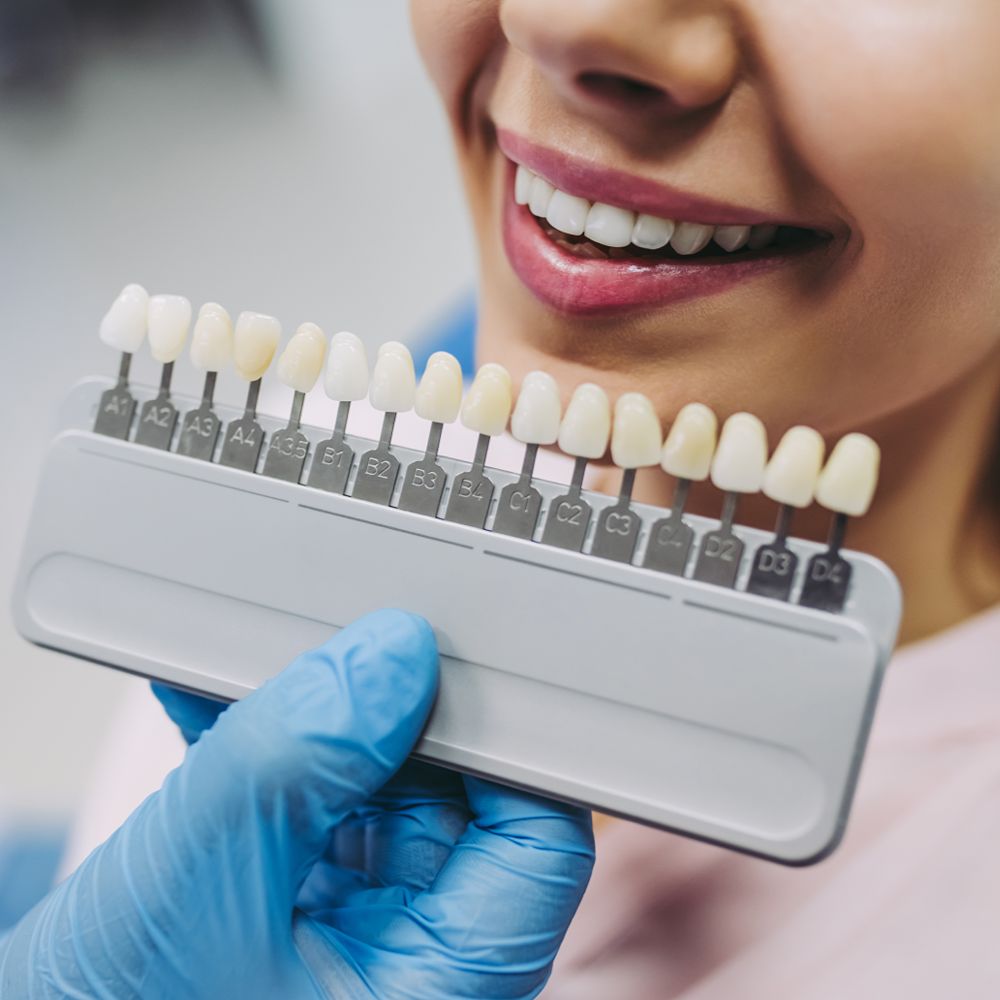
Shade and shape also matter, particularly when restoring a visible tooth.
5. Final Placement
Once the restoration is ready, your dentist will check its fit and appearance before placing it.
Your bite may also be checked. If something feels too high or uncomfortable, let your dentist know. Small adjustments can make a meaningful difference in how a restoration feels.
Will a Dental Crown or Bridge Hurt?
This is one of the most common questions patients ask.
Dental crown and bridge treatment is performed with attention to patient comfort, and local anesthesia may be used when appropriate. You may feel pressure during parts of the procedure, but you shouldn’t have to simply tolerate significant pain.
After treatment, some temporary sensitivity or gum tenderness can occur. This often settles as your mouth adjusts.
If you experience severe, persistent, or worsening pain after treatment, contact your dental office. Pain can sometimes indicate an issue that needs evaluation.
At Agoka Dental, patient comfort is an important part of the dental experience. Our team works to make treatment understandable and as comfortable as possible.
Porcelain Crowns for a Natural-Looking Smile
When a damaged tooth is visible when you smile, appearance matters.
Porcelain crowns can provide a natural-looking restoration when they’re appropriate for the tooth and your clinical needs. The goal isn’t simply to cover the tooth. The restoration should fit the surrounding smile in shape, size, and appearance.
Agoka Dental offers porcelain crowns for appropriate cases, including teeth that are severely damaged or have significant decay.
Not every crown should be made from the same material. Your dentist can discuss which type of restoration makes sense based on the tooth being treated, its location, the amount of chewing force it receives, and your overall needs.
Crowns After Root Canal Treatment
A tooth that has received root canal therapy may need additional protection depending on its condition.
Root canal treatment addresses infection or inflammation inside the tooth. A crown addresses the tooth’s structural needs when enough tooth remains to restore it.
These treatments serve different purposes.
If you’ve recently had root canal therapy, ask your dentist whether the treated tooth needs a crown or another type of restoration. Protecting a weakened tooth can help reduce the risk of future damage.
Agoka Dental also provides root canal therapy, making it possible to discuss related restorative needs with the same local dental practice.
Dental Bridges vs. Dental Implants
If you’re missing a tooth, you may hear about both bridges and dental implants.
A bridge replaces the missing tooth by using a supporting structure. An implant is placed into the jawbone and can support an individual replacement tooth or other restoration.
Neither option is automatically better for every person.
Your dentist may consider:
- The condition of neighboring teeth
- Gum health
- Jawbone condition
- The number of missing teeth
- Your bite
- Overall oral health
- Your treatment preferences
- The type of restoration that best fits your situation
Agoka Dental provides both dental bridges and dental implants, so you can discuss tooth replacement options based on your actual dental needs rather than trying to choose from a menu on your own.
Caring for Your Dental Crown or Bridge
A crown or bridge isn’t maintenance-free.
Even though the restoration itself cannot develop a cavity like natural tooth enamel, the tooth and gum tissue around it still need care.
Good daily habits include:
- Brush twice a day with fluoride toothpaste
- Clean between your teeth every day
- Follow your dentist’s instructions for cleaning around a bridge
- Keep regular dental examination appointments
- Have professional dental cleanings as recommended
- Pay attention to changes in your bite
- Avoid using your teeth to open packages or bite hard objects
- Tell your dentist if a crown feels loose or a bridge changes position
If you have difficulty cleaning beneath or around a bridge, ask your dental team to show you the best technique. A floss threader or other interdental cleaning tool may help in some cases.
Your gums matter, too. Healthy supporting tissue is important for the long-term health of your natural teeth and dental restorations.
How Long Do Dental Crowns and Bridges Last?
There isn’t one guaranteed lifespan for every crown or bridge.
Longevity depends on several factors, including the restoration itself, the health of the supporting teeth, your bite, oral hygiene, diet, habits, and regular dental care.
A crown or bridge can last for years, but it can still experience wear or damage over time.
Regular dental visits give your dentist an opportunity to check the restoration, surrounding teeth, and gums. Problems are often easier to address when they’re found early.
If you already have an older crown or bridge that feels different, looks worn, traps food, or no longer fits comfortably, schedule an examination rather than waiting for it to fail.
What If You Have a Broken or Damaged Tooth?
Don’t automatically assume that a damaged tooth needs to be extracted.
Depending on the amount of remaining healthy tooth structure and the condition of the tooth root, a dentist may be able to restore it.
A cracked, broken, or badly decayed tooth should be evaluated as soon as reasonably possible. Waiting can sometimes allow damage or infection to become more complicated.
If you’re in Tampa and you’ve suddenly lost part of a tooth, developed significant discomfort, or have a restoration that has come loose, contact Agoka Dental to discuss the next step.
Why Choose Agoka Dental for Crowns and Bridges in Tampa?
Choosing a dentist for restorative treatment is about more than finding someone who offers crowns.
You want a dental office where your questions are taken seriously and where the treatment recommendation is based on your actual oral health.
Agoka Dental has served the Tampa community for 30 years and provides general, restorative, cosmetic, and other dental services in one local practice.
Our dental services include crowns and bridges as well as dental implants, root canal therapy, fillings, dentures, preventive care, Invisalign, teeth whitening, wisdom teeth extractions, and full mouth reconstruction.
That range can be helpful when a crown or bridge is part of a larger dental issue. Your treatment can be considered alongside the health of your gums, neighboring teeth, bite, and overall oral health.
Agoka Dental is located at 3306 W Kennedy Blvd, Tampa, FL 33609, convenient to patients in areas around South Tampa and West Tampa.
Whether you’re replacing a missing tooth or protecting a tooth that’s too damaged for a regular filling, our team can evaluate your situation and explain your options.
Restore Your Smile with Crowns and Bridges in Tampa
You don’t have to keep living with a broken tooth, an uncomfortable old restoration, or a gap in your smile without knowing your options.
Agoka Dental provides crowns and bridges in Tampa, FL for patients who need to restore damaged teeth or replace missing ones. We take the time to examine your oral health, explain the available options, and help you understand what treatment makes sense for your situation.
With 30 years of serving the Tampa community and a wide range of dental services available in one office, Agoka Dental is here to help you protect your natural teeth and restore comfortable function.
Ready to find out whether a dental crown or bridge is right for you? Contact Agoka Dental in Tampa, FL to schedule your consultation.
Patient Testimonials
Real Stories from Real Tampa Patients



Make an Appointment
Ready to take the next step toward a healthier, more beautiful smile? Fill out the form below and one of our team members will contact you to confirm your visit. We’re here to make your experience easy and stress-free.
OR CALL US NOW
(813) 879-9000
Prefer to speak with someone directly? We’re happy to help!
Let’s get you scheduled — your smile deserves it.