
Dental Crowns & Bridges in Lakeland, FL
A damaged or missing tooth can affect much more than your smile. It can make chewing uncomfortable, change the way your teeth fit together, or leave you avoiding foods and situations you used to enjoy.
At Agoka Dental, we provide crowns and bridges for patients who need to repair weakened teeth or replace missing ones. Our goal is simple: help you protect your natural teeth when possible, restore everyday function, and create a result that looks at home in your smile.
Free Consultation
Have questions? Contact us now for a free consultation and expert guidance for all your dental issues.
If you’re looking for dental crowns or dental bridges in Lakeland, FL, we’ll start by looking at what’s happening inside your mouth, not just what’s visible in the mirror. Your tooth, gums, bite, and surrounding teeth all matter when choosing a restoration.
What Are Dental Crowns and Bridges?
Dental crowns and bridges are both restorative dental treatments, but they solve different problems.
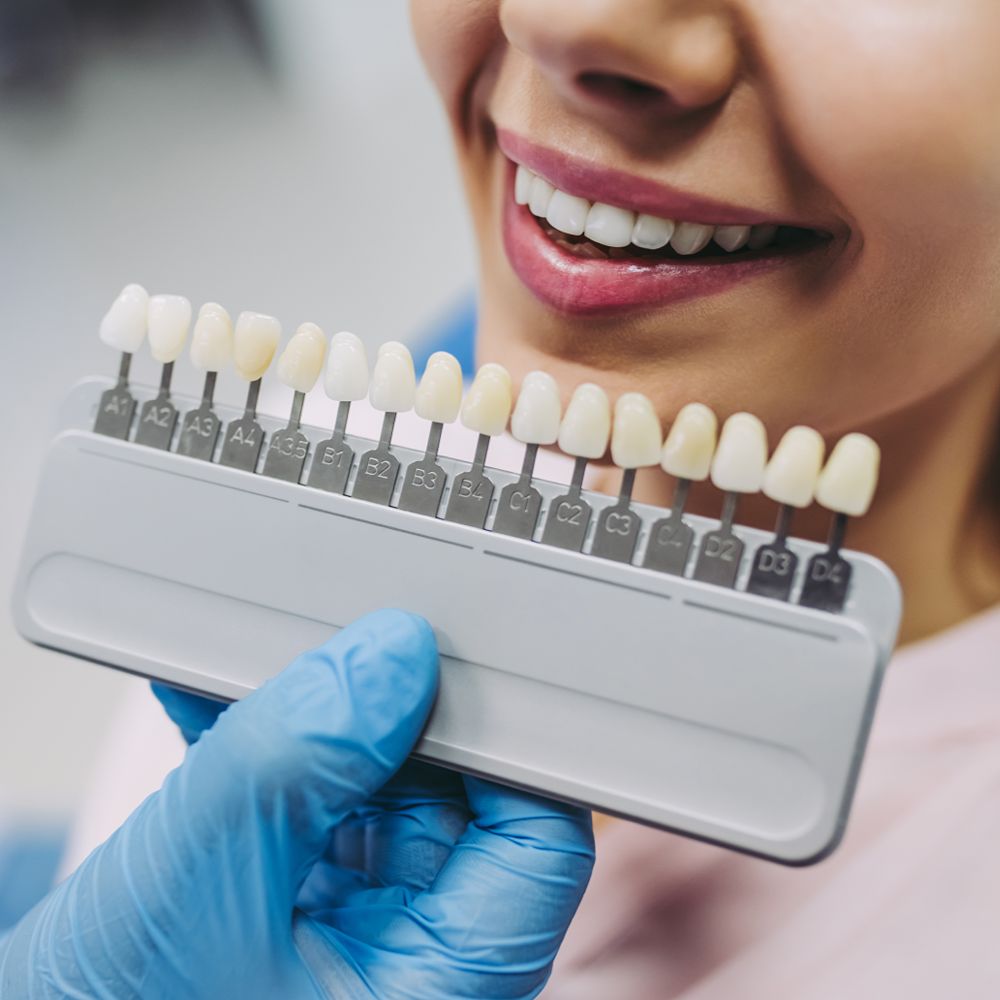
A dental crown covers a damaged or weakened tooth. Think of it as a custom-made cap that fits over the remaining tooth structure. A crown can help restore the tooth’s shape, strength, appearance, and ability to handle normal chewing.
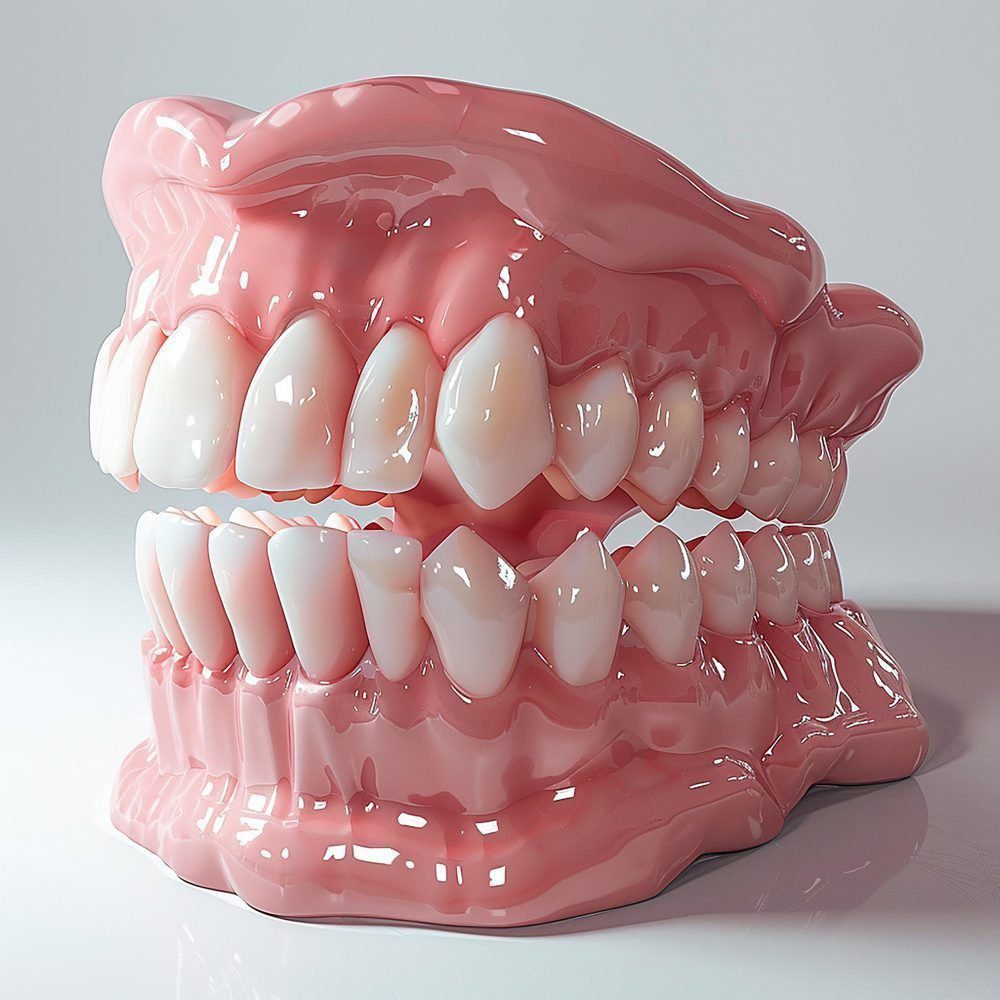
A dental bridge replaces one or more missing teeth. A traditional bridge uses supporting teeth on either side of the space. These supporting teeth are called abutments. The replacement tooth or teeth in the middle are called pontics.
Both treatments can restore the appearance of your smile. More importantly, they can help restore normal tooth function.
The right choice depends on your oral health, the condition of the teeth involved, your bite, gum health, and the number and location of missing or damaged teeth.
Dental Bridges in Lakeland, FL
A missing tooth creates an open space that can affect your bite and the way your remaining teeth come together.
A dental bridge can fill that space with an artificial tooth supported by neighboring teeth or, in certain cases, dental implants.
A traditional fixed bridge generally includes:
- Supporting abutment teeth
- Dental crowns placed over the supporting teeth
- One or more pontics that replace the missing teeth
- A bridge framework and connectors
Bridges can be used to replace a single missing tooth or several adjacent teeth, depending on the condition of the supporting structures and the treatment plan.
For some patients, a bridge is an effective way to restore chewing and appearance without wearing a removable appliance.
Frequently Asked Questions About Dental Crowns & Bridges
How much do dental crowns cost in Lakeland, FL?
The cost of a dental crown varies based on the tooth being treated, the restoration material, the condition of the tooth, and any additional treatment that may be needed.
For example, a tooth requiring root canal therapy or treatment for extensive decay may involve additional costs beyond the crown itself.
The best way to get an accurate estimate is to have the tooth examined and discuss the recommended treatment and available options with Agoka Dental.
How much do dental bridges cost in Lakeland?
Dental bridge costs vary depending on the number of teeth being replaced, the type of bridge, the supporting teeth, materials, and other treatment needs.
A consultation allows the dentist to determine whether a bridge is appropriate and provide a treatment estimate based on your specific situation.
Does getting a dental crown hurt?
The tooth preparation is performed with local anesthesia to keep you comfortable during treatment. Afterward, some temporary sensitivity or tenderness can occur.
If you experience significant or persistent discomfort after your restoration, contact your dentist so the tooth and bite can be checked.
Can a crown fix a cracked tooth?
Sometimes. It depends on where the crack is located and how far it extends.
A crown can protect and restore certain cracked teeth, but not every cracked tooth can be saved. Your dentist needs to examine the tooth to determine whether it can be restored.
Is a dental bridge better than an implant?
Neither is automatically better for everyone.
A bridge and an implant-supported restoration work differently and have different requirements. Your dentist can compare the options based on your missing tooth, neighboring teeth, gums, bone support, oral health, and preferences.
How do I clean under a dental bridge?
Brushing and regular cleaning between the teeth are essential. Because a fixed bridge can have areas underneath the replacement tooth, your dentist or hygienist can show you how to clean those spaces effectively.
Special flossing tools or interdental cleaners may be useful depending on the bridge design.
Can an old dental crown or bridge be replaced?
Yes, a crown or bridge can sometimes be replaced when it becomes damaged, worn, loose, poorly fitting, or affected by problems with the supporting tooth or gums.
Replacement isn’t always automatic, though. The dentist should first determine why the restoration needs attention and whether the underlying teeth are healthy enough for a new restoration.
Our Process at a Glance
Discovery & Baselines
During your initial visit, we capture 3D cone beam scans, review your medical history, assess bone quality, and create a digital treatment plan showing implant positioning and final restoration design. You’ll leave with a detailed cost breakdown and timeline specific to your case.
Implementation
On surgery day, we place your implant(s) using surgical guides for precise positioning, provide detailed post-operative care instructions, and schedule your follow-up appointments. Most patients return to normal activities within 2 to 3 days with minimal discomfort managed through prescribed medications.
Optimization & Reporting
We monitor healing at 2-week and 8-week intervals, confirming successful osseointegration before taking final impressions for your custom crown or bridge. Once your permanent restoration is placed, we provide a personalized maintenance schedule and remain available for any questions throughout the life of your implant.
Dental Crowns in Lakeland, FL
A crown may be recommended when a tooth has lost too much structure to be restored reliably with a filling.
Common reasons for a dental crown include:
- A severely decayed tooth
- A cracked or fractured tooth
- A badly broken tooth
- A tooth weakened by a large filling
- A worn-down tooth
- A tooth that has received root canal therapy
- A misshapen or severely discolored tooth
- A tooth that needs additional protection after significant damage
- Replacement of an old or damaged crown
A crown doesn’t automatically mean your tooth has to be removed. In many situations, the purpose of restorative treatment is to preserve the healthy natural tooth structure that remains.
That’s why an examination matters. A tooth that looks badly damaged may still be treatable, while another tooth may have damage below the gumline or other problems that change the recommended treatment.
Tooth-Colored Dental Crowns
For many patients, appearance matters just as much as function.
Depending on your specific needs and the materials available through the practice, tooth-colored restorations may be considered when you want your crown to blend with surrounding teeth.
Porcelain and ceramic restorations are commonly used for natural-looking dental work. Other materials may be appropriate depending on where the tooth is located, how much biting force it receives, and your individual dental needs.
Agoka Dental can evaluate the tooth and discuss the available restoration options with you rather than assuming the same material is right for everyone.
Why Replace a Missing Tooth?
It can be tempting to leave a missing tooth alone if it isn’t causing pain.
But a missing tooth can change how your remaining teeth function. Nearby teeth may shift toward the open space, and your bite can change over time. You may also find yourself chewing more heavily on one side.
Replacing the tooth can help restore the balance of your bite and make everyday eating and speaking more comfortable.
A dental bridge isn’t the only option, though. Depending on your situation, alternatives may include a dental implant, implant-supported restoration, or partial denture.
The best choice depends on your oral health, bone support, surrounding teeth, personal preferences, and treatment goals.
Crown or Bridge: Which One Do You Need?
This is one of the most common questions patients have.
Here’s the simple distinction:
A crown generally restores a damaged tooth that is still present.
A bridge generally replaces a missing tooth or teeth.
For example, suppose you have a cracked back tooth with enough healthy structure remaining to support a restoration. A crown may be considered to cover and protect that tooth.
Now suppose a tooth is missing between two otherwise suitable teeth. A bridge may be considered to fill the space.
There are situations where the decision isn’t quite that simple. A badly damaged tooth may need root canal therapy before a crown. A missing tooth may be better suited to an implant depending on the condition of the jaw and neighboring teeth.
That’s why a dental examination and bite evaluation come before deciding on a restoration.
What Happens During a Dental Crown or Bridge Consultation?
Your first step is an evaluation.
At Agoka Dental, the dentist can examine the tooth or missing-tooth area and look at the surrounding structures. Depending on your situation, this may include digital dental X-rays and an intraoral examination.
The evaluation may consider:
- The amount of healthy tooth structure remaining
- Tooth decay
- Cracks or fractures
- Gum health
- The condition of neighboring teeth
- Your bite
- Previous dental work
- The location of the tooth
- Your chewing forces
- The appearance of your smile
- Whether the tooth has had root canal therapy
This information helps determine whether a crown or bridge is appropriate.
It also helps identify cases where another treatment may make more sense.
The Dental Crown Process
Once a crown is recommended, the tooth typically needs to be prepared so the restoration can fit properly.
The general process may include:
1. Examination and Treatment Planning
The dentist evaluates the tooth and discusses your treatment options.
2. Tooth Preparation
The damaged tooth is carefully prepared to create room for the crown while preserving healthy tooth structure whenever possible.
3. Impressions or Digital Scanning
Your dentist needs accurate information about the shape of your prepared tooth and surrounding teeth. Depending on the technology used for your treatment, this may involve traditional impressions or digital impressions.
4. Temporary Protection
When necessary, a temporary restoration may be placed while the permanent crown is being made.
5. Permanent Crown Placement
Once the final restoration is ready, the dentist checks its fit, appearance, contacts, and bite. The crown is then placed and adjusted as needed.
The goal isn’t simply to put a crown over a tooth. The restoration needs to work with the teeth around it.
The Dental Bridge Process
A bridge also begins with an examination and treatment plan.
Your dentist evaluates the missing tooth or teeth and checks whether the supporting teeth and gums are healthy enough for the proposed restoration.
For a traditional bridge, the supporting teeth may be prepared to receive crowns. Impressions or digital scans are then used to create the restoration.
A temporary bridge may be used while the permanent restoration is being fabricated.
When the final bridge is ready, your dentist checks its fit and bite before placing it.
That final bite check matters. A bridge should feel like it belongs in your mouth, not like something you’re constantly aware of when you chew.
How Long Do Crowns and Bridges Last?
Patients often ask for an exact number of years.
The honest answer is that there isn’t one number that applies to everyone.
The lifespan of a crown or bridge can depend on the restoration material, oral hygiene, bite forces, location in the mouth, gum health, diet, habits, and regular dental care.
Teeth grinding or clenching can place significant force on restorations. Poor cleaning around a crown or bridge can also contribute to problems with the supporting teeth or gums.
You can help protect your restoration by:
- Brushing twice daily
- Cleaning between your teeth
- Following your dentist’s instructions for bridge cleaning
- Keeping regular dental checkups
- Getting professional dental cleanings as recommended
- Avoiding using your teeth to open packages
- Avoiding excessive biting forces
- Wearing a recommended nightguard if appropriate
- Contacting your dentist if a restoration feels loose, cracked, or uncomfortable
A crown or bridge isn’t maintenance-free. It still needs the same daily attention as the rest of your mouth.
Caring for a Dental Crown or Bridge
The first few days after treatment can feel different.
You may notice the new restoration when you bite or chew simply because your mouth is getting used to it. If your bite feels noticeably uneven or uncomfortable, contact the dental office rather than trying to ignore it.
Good home care is especially important around a dental bridge.
Food and plaque can collect around the supporting teeth and beneath areas of the bridge. Your dentist or hygienist can show you the best way to clean these spaces.
Depending on your bridge, you may need tools designed to clean underneath and around the restoration.
Regular dental visits also give your dentist a chance to monitor the restoration and the teeth supporting it.
What About a Crown After Root Canal Therapy?
Root canal therapy removes infected or damaged tissue from inside a tooth. Afterward, the remaining tooth may need additional protection.
A crown is often considered for a tooth that has undergone root canal therapy, particularly when significant tooth structure has been lost.
However, not every tooth automatically needs the same type of restoration. The condition and location of the tooth matter.
If you’ve recently had root canal therapy or have a tooth that was previously treated, Agoka Dental can evaluate the tooth and discuss whether a crown is appropriate.
What About a Broken or Cracked Tooth?
Don’t wait for a cracked or broken tooth to become a dental emergency.
A small crack can sometimes cause pain when you bite or release your bite. A broken tooth may have a sharp edge, sensitivity, or difficulty handling normal chewing pressure.
The treatment depends on how much of the tooth has been damaged and whether the tooth can be predictably restored.
Possible treatment may include a filling, bonding, crown, root canal therapy, or extraction when a tooth cannot be saved.
If you’re experiencing significant pain, swelling, or a dental injury, ask about emergency dental care rather than waiting for your next routine appointment.
Crowns, Bridges, and Dental Implants
A dental implant is another option for replacing a missing tooth.
Unlike a traditional bridge, an implant restoration uses a dental implant placed in the jaw as the foundation for a replacement tooth. An implant can then support a crown or, in some cases, a bridge.
That doesn’t mean implants are automatically better for every patient.
Your dentist needs to consider your bone support, gum health, overall oral condition, the location of the missing tooth, and your treatment preferences.
For some Lakeland patients, a traditional bridge may make sense. For others, an implant-supported restoration may be worth considering.
The best treatment is the one that fits your dental situation, not simply the newest option.
Why Choose Agoka Dental for Crowns & Bridges in Lakeland?
Choosing a restorative dentist is about more than finding a practice that offers crowns and bridges.
You want someone who will explain what’s wrong, show you what they see, and help you understand your options.
Agoka Dental serves patients throughout Lakeland with general, preventive, cosmetic, and restorative dental care. The practice’s Lakeland services include care for communities and neighborhoods such as Lake Hollingsworth, Cleveland Heights, South Lakeland, Lakeland Highlands, Dixieland, Lake Morton, Lake Parker, Lake Gibson, North Lakeland, and surrounding areas.
The practice also uses dental technology such as digital X-rays and intraoral imaging to support diagnosis and patient communication.
Most importantly, your restoration should begin with a clear discussion. You should know why treatment is recommended, what alternatives may exist, what the process involves, and what you can do to care for the result afterward.
That’s the kind of information that helps you make a decision with confidence.
Crowns & Bridges for Lakeland Families
Whether you’re near Downtown Lakeland, South Lakeland, North Lakeland, Lakeland Highlands, Lake Morton, Lake Hollingsworth, Cleveland Heights, or another part of the area, restorative dental care should be convenient and easy to understand.
Maybe you’ve had the same large filling for years and your dentist has noticed that the tooth is weakening.
Maybe you broke a tooth while eating and now you’re wondering whether it can be saved.
Maybe you’re tired of hiding a missing tooth when you smile.
Or perhaps an old crown or bridge no longer feels right.
You don’t have to guess which treatment you need based on what you read online. A dental examination can give you a much clearer answer.
Restore Your Smile With Agoka Dental
A damaged or missing tooth doesn’t have to remain a problem.
Whether you need a dental crown for a weakened tooth, a dental bridge to replace a missing tooth, or you’re simply unsure which restoration is right for you, Agoka Dental can evaluate your smile and explain your options.
The first step is a dental examination. From there, you can make an informed decision based on your oral health, treatment needs, and goals.
If you’re searching for crowns and bridges in Lakeland, FL, contact Agoka Dental to schedule a consultation.
Patient Testimonials
Real Stories from Real Tampa Patients



Make an Appointment
Ready to take the next step toward a healthier, more beautiful smile? Fill out the form below and one of our team members will contact you to confirm your visit. We’re here to make your experience easy and stress-free.
OR CALL US NOW
(813) 879-9000
Prefer to speak with someone directly? We’re happy to help!
Let’s get you scheduled — your smile deserves it.